
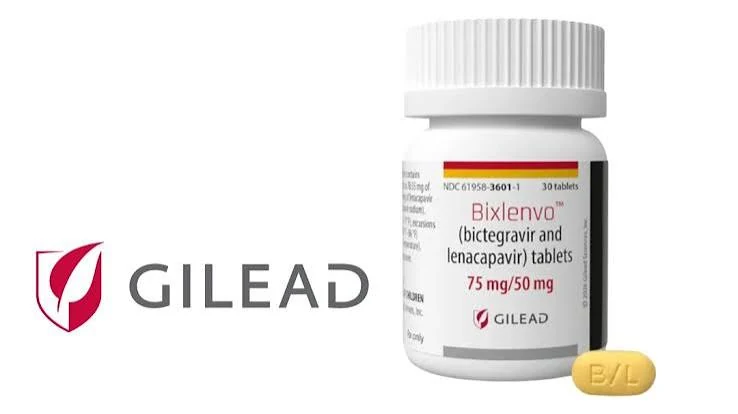
AWPCAB welcomes the scientific progress represented by the U.S. FDA approval of Bixlenvo and calls for a clear, women-centred access roadmap for African countries.
The African Women Prevention Community Accountability Board (AWPCAB) notes Gilead Sciences’ announcement that the U.S. Food and Drug Administration has approved Bixlenvo (bictegravir 75 mg / lenacapavir 50 mg). The once-daily single-tablet HIV treatment is approved in the United States for adults who are virologically suppressed on a stable antiretroviral regimen and have no known or suspected resistance to either component. It may offer a simpler option for some people currently taking complex treatment regimens.
This approval expands HIV treatment choice. It also raises an urgent question: when will people who could benefit in African countries be able to access it safely, affordably and consistently?
Why access matters for women and girls
Women and girls remain central to the HIV response. UNAIDS reported that women and girls accounted for 45% of new HIV infections globally in 2024 and 63% of new infections in sub-Saharan Africa. Adolescent girls and young women continue to face unequal HIV risk, particularly where poverty, violence, stigma and limited service choice restrict access to prevention, treatment and care.
Across Eastern and Southern Africa, these figures reflect daily realities. Women and girls may face unequal power, transport costs, clinic burden, treatment fatigue and services that do not protect their privacy or respond to their needs. New HIV medicines should therefore be assessed by whether they expand meaningful choice, reduce barriers and help people enter and remain in care.
Choice must extend beyond product availability
The HIV Prevention Choice Manifesto brings together the voices of African women and girls, feminists and HIV prevention advocates across Southern and Eastern Africa. It calls for political and financial support for HIV prevention choice and for policies that respond to the lives, priorities and leadership of women and girls.
The same principle should guide treatment innovation. Meaningful choice requires clear information on benefits and risks, supportive counselling, affordability, reliable supply and services that are confidential, respectful, youth-friendly, women-centred and community-led.
Regulatory approval is an important milestone, but approval in one market does not guarantee access elsewhere. Gilead states that bictegravir and lenacapavir in combination are not currently approved outside the United States. Women and communities in African countries should not face unnecessary delays in benefiting from new science where the medicine is clinically appropriate and approved by the relevant regulators.
AWPCAB calls for an Africa access roadmap
AWPCAB calls on Gilead to match the urgency of this scientific milestone with a transparent plan for registration and equitable access in African countries. The plan should include:
- timely regulatory submissions through national and relevant regional pathways
- public timelines for registration and access
- early engagement with regulators, ministries of health, donors, implementers, clinicians, civil society and affected communities
- a credible affordability, public-sector procurement and sustainable supply plan
- pharmacovigilance, treatment literacy and community-led demand creation
- equitable availability across countries and communities, including for women with complex treatment needs
African governments, regulators, donors, implementers and civil society must also begin access planning early and ensure that women living with and affected by HIV are represented in decisions about the medicine’s availability.
Community accountability must continue after approval
Gilead’s PURPOSE 1 and PURPOSE 2 lenacapavir studies showed that structured community engagement can begin before enrolment and protocol finalisation. Global Community Advisory Groups advised on trial design, recruitment, retention, participant communication, language, cultural considerations and engagement with local community advisory structures.
That approach should continue through registration and access planning for Bixlenvo. AWPCAB calls for an Africa-focused, women-centred community engagement and accountability process that gives women and girls, people living with HIV, treatment-experienced communities, clinicians, advocates and public-sector implementers a meaningful role from the outset.
“Today is a breakthrough. Not only for our country and the African continent, which continues to carry some of the world’s largest HIV burdens, but for the global HIV response. We must move with urgency to ensure that everyone who could benefit from lenacapavir can do so.”
Yvette Raphael, Executive Director of APHA and Chair of AWPCAB, speaking during the African introduction of lenacapavir for PrEP
“Today is exciting, but it is also a call to action for all of us.”
Lerato Morulane, community leader
Scientific progress must be matched by access
AWPCAB urges Gilead to publish a clear access roadmap for African countries and ensure that Bixlenvo, following approval by the relevant regulators, can reach eligible people without unnecessary delay. Scientific progress cannot be celebrated while women and communities carrying a substantial share of the HIV burden are left waiting.