

Brenda Chizimba still remembers the Facebook post.
It featured a young advocate facilitating a community session in Blantyre, Malawi. What caught Brenda’s attention was not only what the advocate was doing. It was the fact that she was around Brenda’s age.
She was standing in front of people, speaking confidently and passionately, and helping others understand HIV prevention.
For Brenda, watching another young person lead like that shifted something.
“Seeing someone of my age confidently educating others made me realize that age is not a barrier to creating positive change in the community,” she recalls.
She wanted to learn. She wanted the confidence to speak up. And she wanted to become someone who could make that kind of difference too.
So when the opportunity came to join the AWPCAB HIV Prevention In Action Academy, Brenda took it.
The things she thought she knew
Brenda did not come into the Academy knowing nothing about HIV prevention.
She knew about abstinence, condoms, avoiding the sharing of sharp objects and being faithful to one partner. But much of what she understood had been shaped by the information, and misinformation, she had grown up hearing.
For instance, Brenda believed abstinence was the only truly safe way to prevent HIV.
She had also heard frightening claims about condoms, including that they contained oil that could cause cancer after prolonged use or could cause stomach aches. Those stories made her afraid to trust them.
Her understanding of PEP was also limited. She thought it was only available to people who had experienced rape, to protect them from HIV and unintended pregnancy. She did not know that PEP can be used following other potential HIV exposures when started within the recommended timeframe.
And PrEP? Brenda did not know there were different options.
Then the Academy started pulling those assumptions apart.
During a session on PrEP, PEP and U=U, Brenda encountered information that challenged much of what she thought she knew.
The facilitators created room for questions and explained the different prevention approaches in a way she describes as simple, interactive and non-judgmental.
For Brenda, learning about U=U, or Undetectable = Untransmittable, was particularly significant. Understanding that a person living with HIV who is on effective treatment and maintains an undetectable viral load does not sexually transmit HIV challenged how she had previously thought about HIV, relationships and prevention.
She began to see just how much decisions can be influenced when people are working with incomplete or inaccurate information.
“I realized that many of the beliefs I had held were based on incomplete information rather than facts,” she says.
Then Brenda became the person at the front
The change did not stay inside the training room.
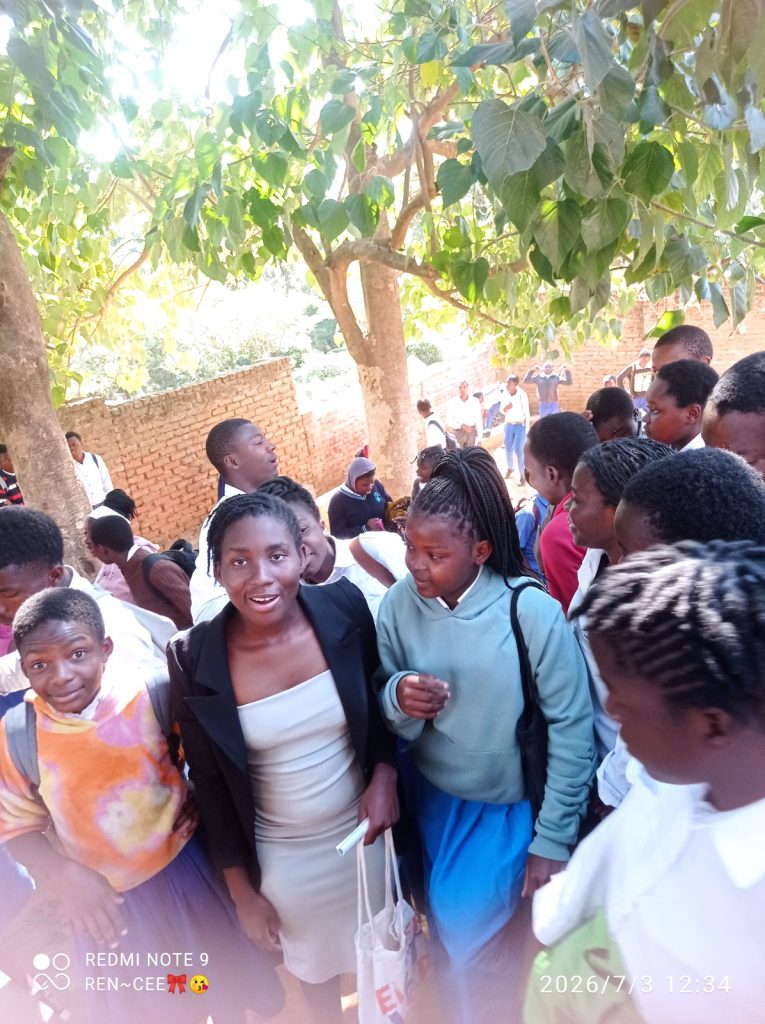
Brenda began talking to her peers about HIV prevention. She started creating awareness content for social media and facilitating school, group and community sessions.
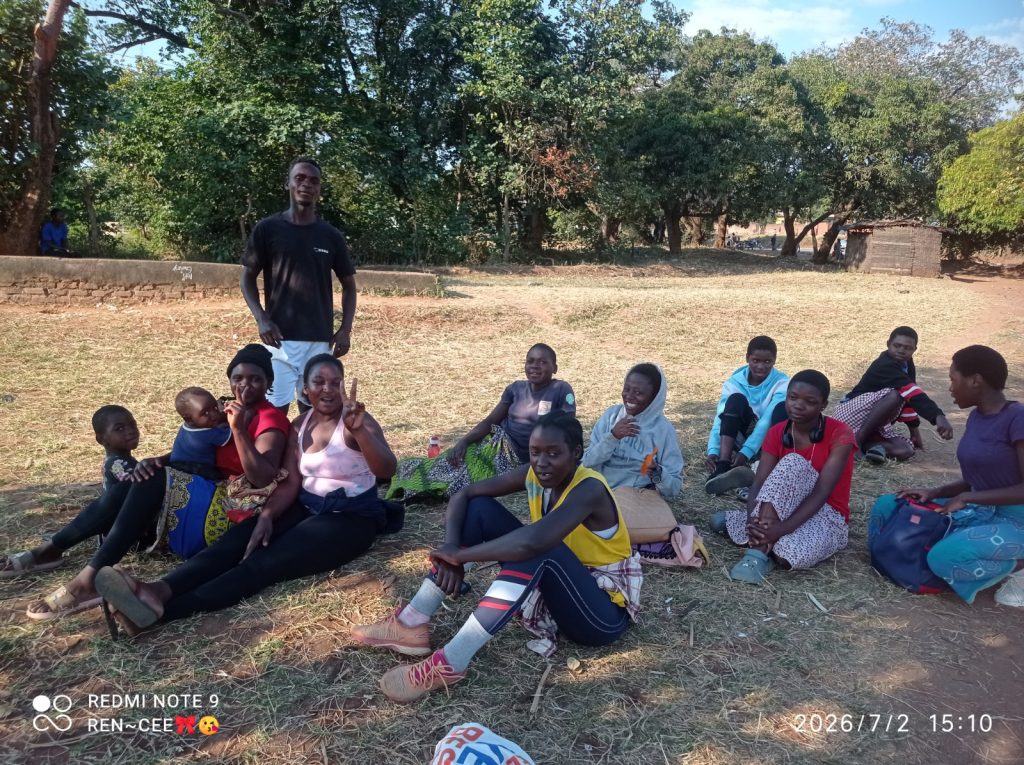
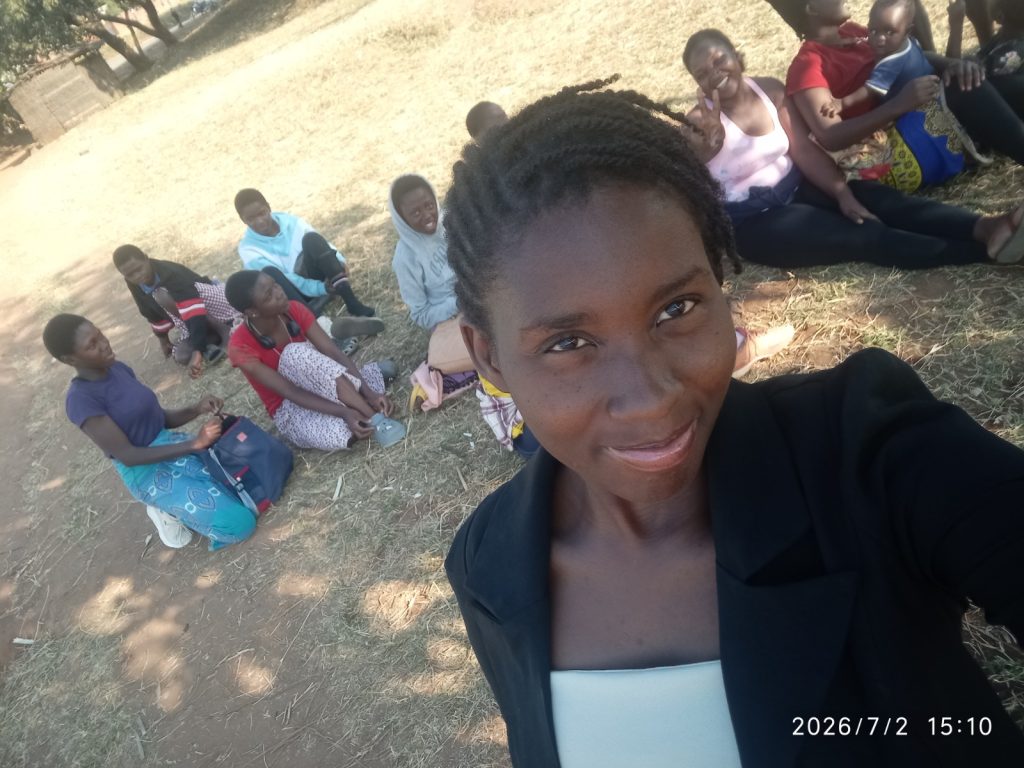
Then came a community session with women that brought the journey into focus.
Brenda was facilitating a conversation about female condoms and regular HIV testing when she discovered that many of the women had never heard about female condoms.
There was another barrier too.
Some told her they were too shy to visit a hospital for HIV testing because they were afraid of being judged.
Instead of ending the conversation with information alone, Brenda responded to what she had heard.
After the session, several women asked her to bring them female condoms, which she did. She also provided OraQuick oral HIV self-test kits to women who felt more comfortable testing themselves at home, while encouraging them to access health facilities for HIV testing and other sexual and reproductive health services.
It was the kind of moment that showed Brenda what community education could actually do.
A conversation had surfaced gaps in knowledge. It had created enough comfort for women to talk about what was stopping them from accessing services. And it had led some of them to seek prevention tools they had not previously known about.
The full-circle moment
There is something fitting about Brenda’s journey.
She joined the Academy partly because she saw another young woman around her age standing in front of a community and thought: I could do that too.
Now Brenda is the one standing in front of communities.
She is answering questions she once could not answer herself. She is challenging some of the same kinds of myths she once believed. And she is helping other people understand that HIV prevention is not simply about being told what to do, but having accurate information and options that make sense for their lives.
Asked what she would have thought if someone had told her before the Academy that she would one day be facilitating community discussions and educating others about HIV prevention, Brenda says she probably would not have believed them.
Today, that is exactly what she is doing.
“I am most proud of using the knowledge I gained to make a difference in my community,” she says.
And perhaps that is the ripple effect of investing in young advocates. Sometimes, one young person sees another leading and realizes, for the first time, that she can do it too. Then one day, she becomes the person someone else is watching.