
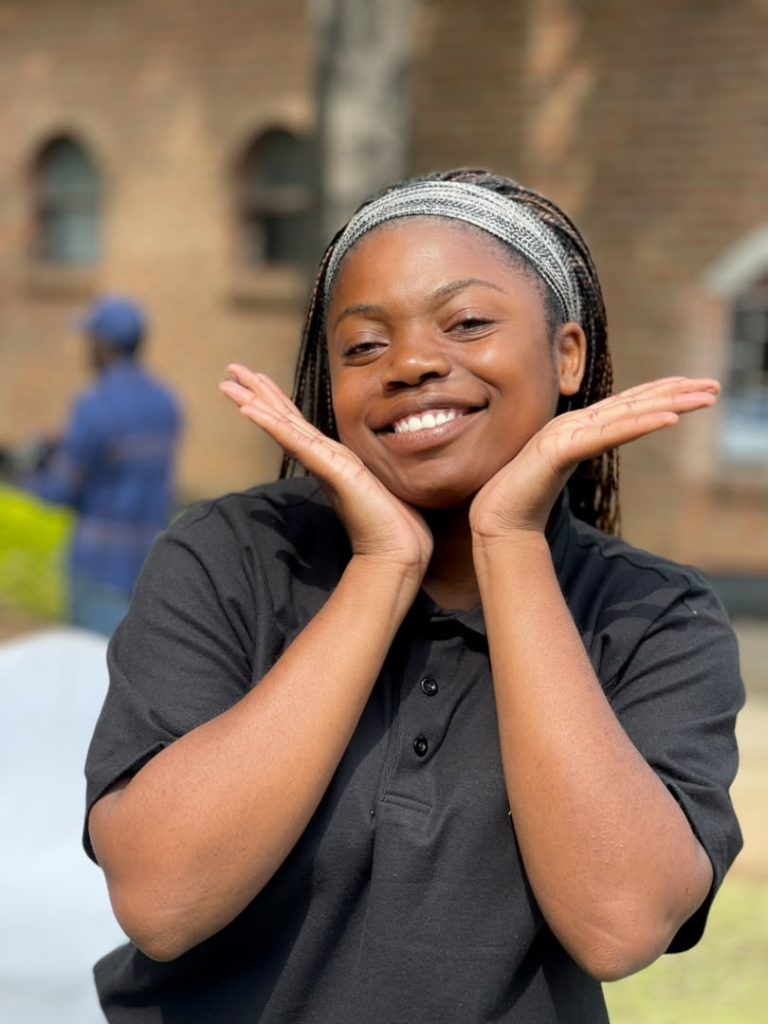
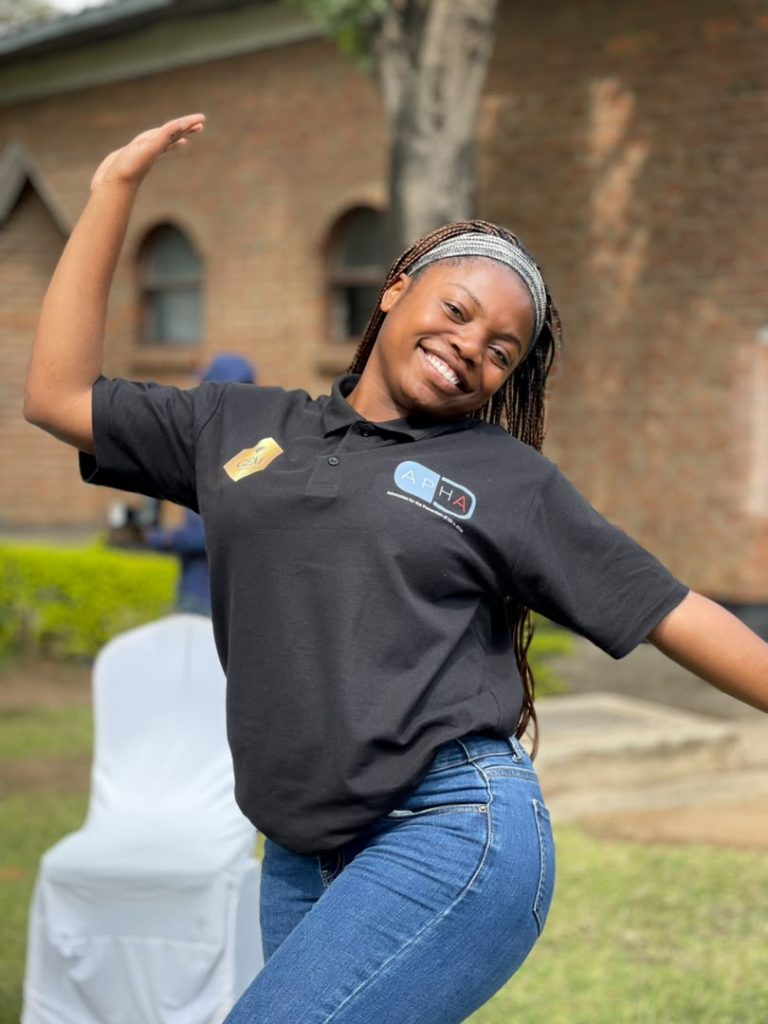
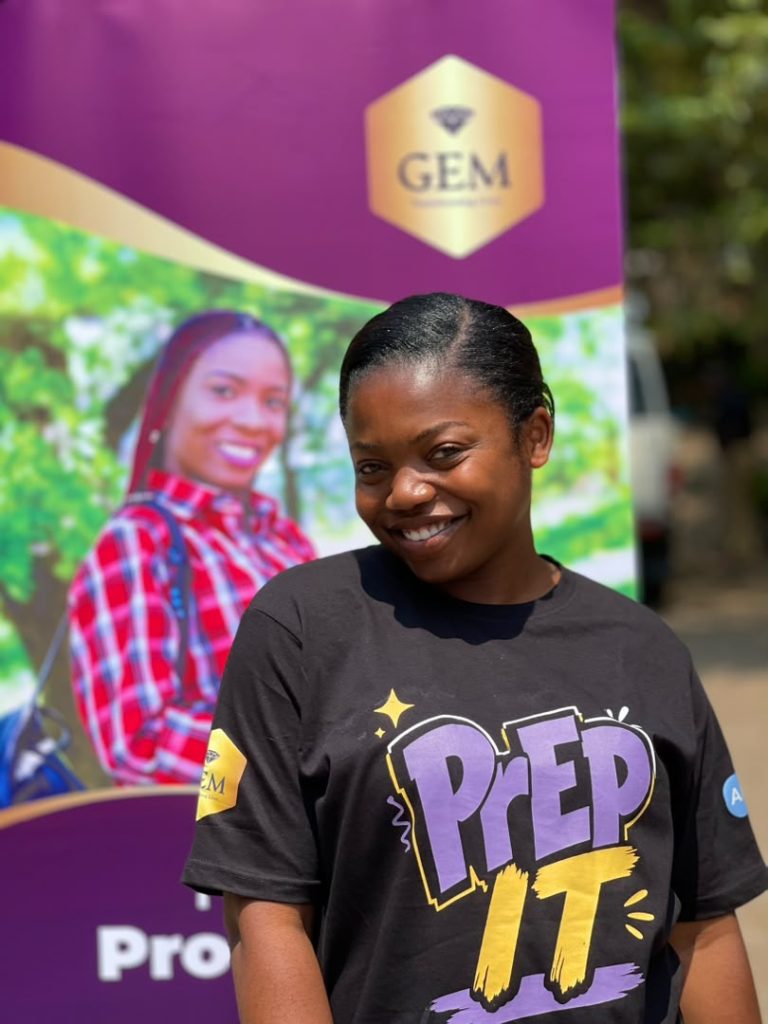
Before joining the AWPCAB HIV Prevention In Action Academy, Priscilla Makombe already knew some of the familiar HIV prevention messages.
Abstinence. Condoms. HIV testing. Being faithful to one partner.
What she did not know much about were newer prevention options such as oral PrEP, long-acting injectable PrEP, or CAB-LA, and lenacapavir. Her understanding of PEP and U=U was also limited.
But as she learned more, one idea began to change not only what she knew about HIV prevention, but how she talked about it.
HIV prevention is not one-size-fits-all.
“Everyone has different needs and circumstances, so people should be given accurate information and be allowed to choose the prevention method that works best for them,” Priscilla says.
For her, that last part mattered.
It meant moving away from assuming what someone should use and towards helping them understand their options well enough to make their own informed decision.
From giving messages to having conversations
Priscilla joined the Academy because she wanted to deepen her knowledge and become a better advocate in her community.
She was already passionate about working with young people and promoting health. What she wanted were the knowledge and practical skills to do that work better.
The Academy introduced her to a broader range of HIV prevention options and helped her understand how different methods can meet different needs.
But something else changed too.
Before, Priscilla says she mainly focused on general HIV prevention messages. Now, she approaches conversations differently.
She talks about options. She listens. She addresses misconceptions. And she tries to create an environment where someone can ask a sensitive question without worrying that they will be judged for it.
“I have learned how to explain HIV prevention options clearly, listen actively, and respond to questions without judgment,” she says.
Taking the conversation to Bangwe
Priscilla has since taken those skills beyond the Academy.
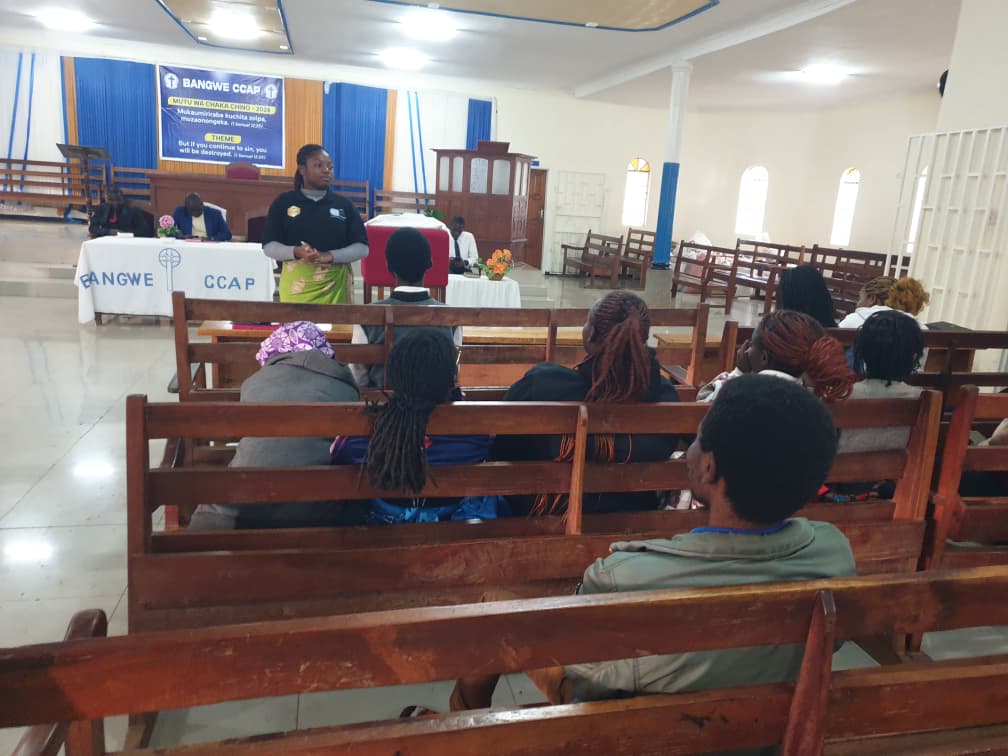
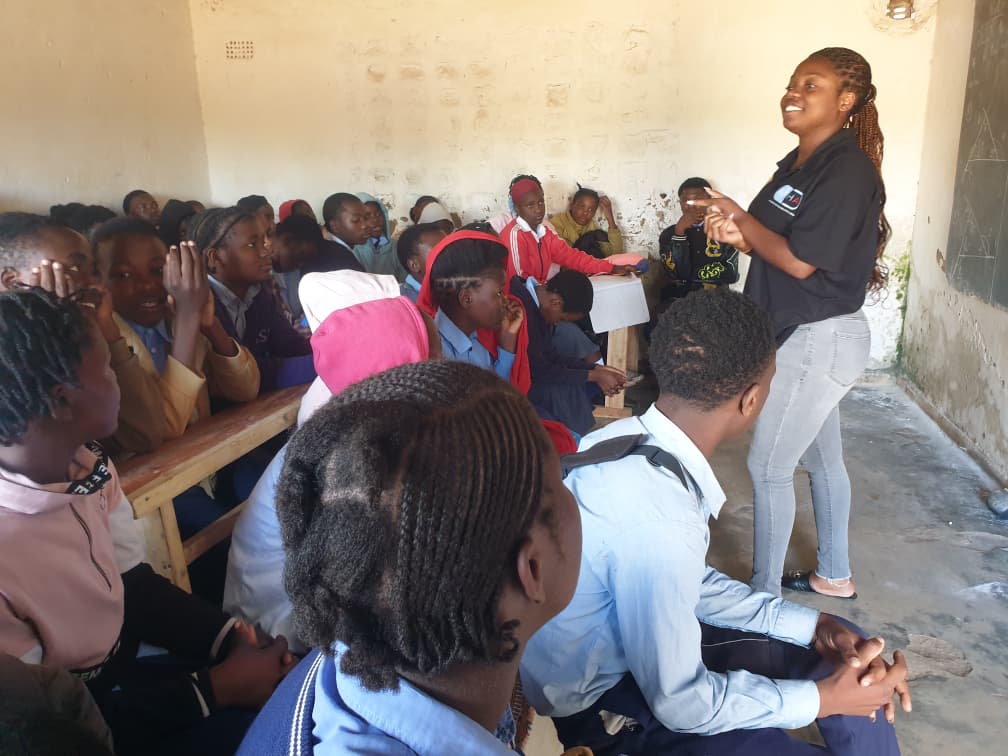
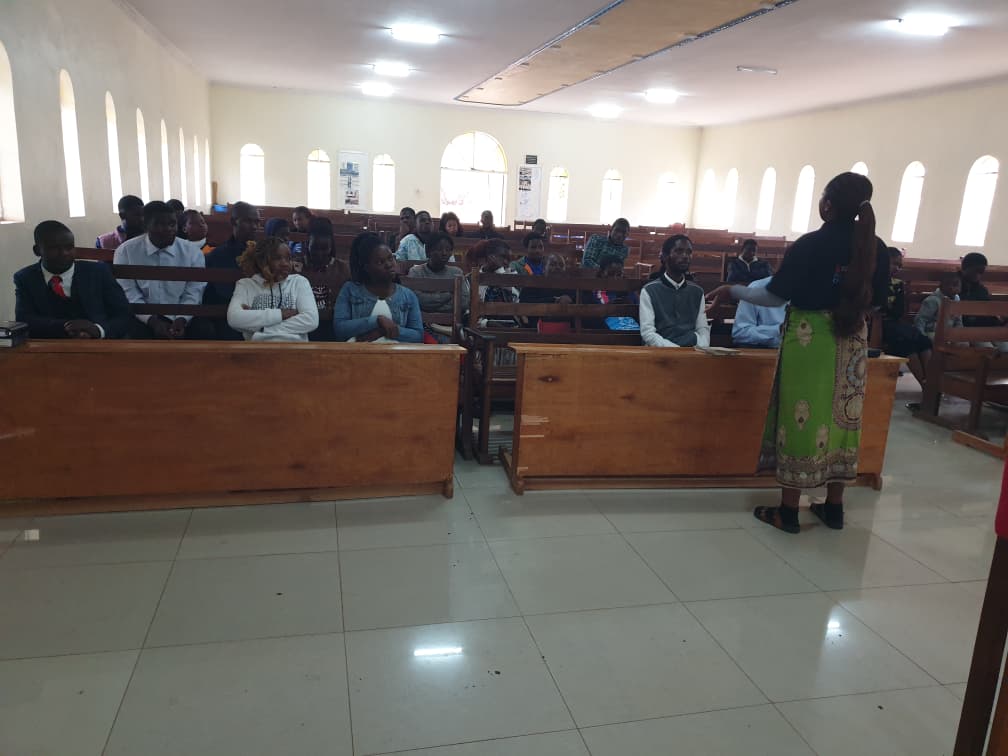
At Bangwe CCAP Church in Malawi, she facilitated a session with young people using the Zazi toolkit. The conversation covered HIV prevention methods including condoms, oral PrEP, CAB-LA, lenacapavir, PEP and U=U, alongside the importance of regular HIV testing.
But the session was not simply Priscilla standing in front of a group and delivering information. She encouraged the young people to ask questions. And they did.
Some shared that they had never heard about certain prevention options before, particularly long-acting methods such as CAB-LA and lenacapavir. Priscilla watched curiosity turn into conversation and, eventually, greater understanding.
For her, it reinforced why young people need spaces where HIV prevention can be discussed openly and information can be made understandable.
Becoming someone people can ask
That change has followed Priscilla into other parts of her life.
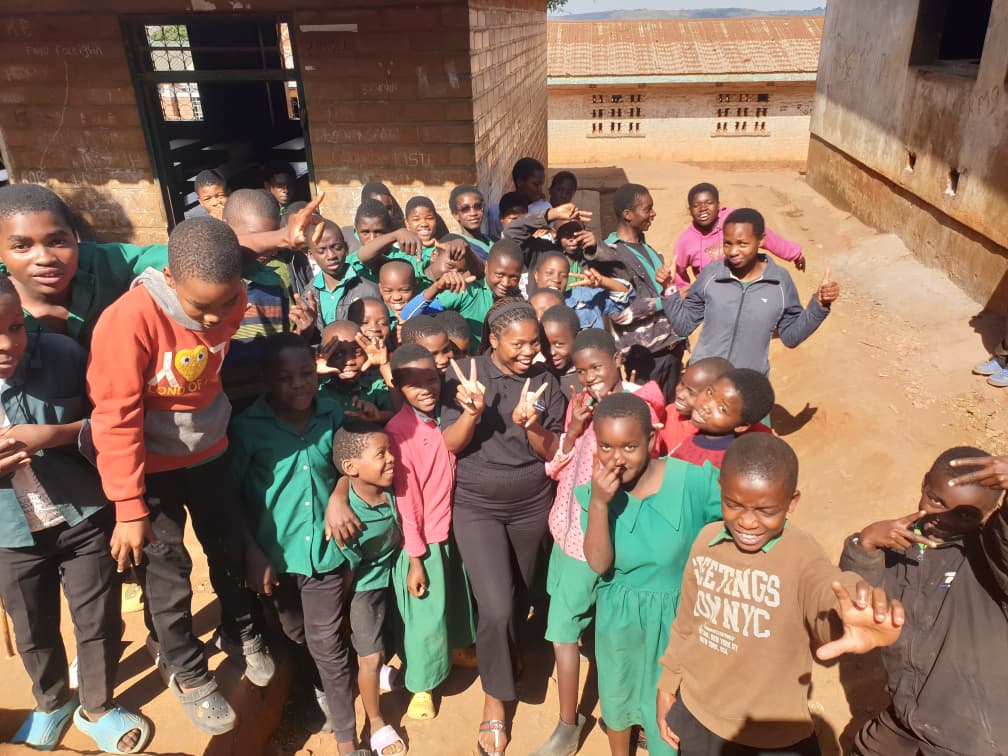
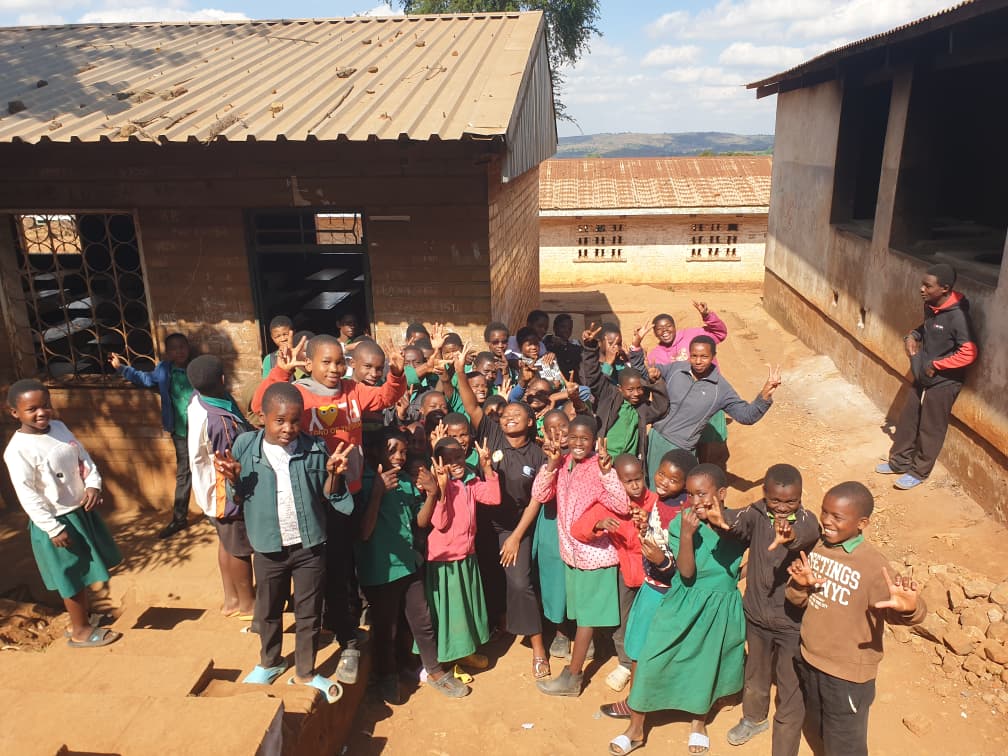
She now talks about HIV prevention with young people, friends, students, community members and even family. She has facilitated discussions at church, in schools and at community gatherings.
And she has noticed something significant. People now come to her with questions.
“I have become someone people feel comfortable approaching with questions about HIV prevention because they know I will listen without judging them and provide accurate information,” she says.
That may sound like a small shift. It isn’t.
Fear of judgment can shut down a conversation before a young person ever asks what they really want to know. Having someone who will listen, explain and respect their choices can make that conversation possible.
For Priscilla, leadership has therefore come to mean more than being confident enough to speak. It means creating enough room for someone else to speak too.
Prevention starts with knowing you have options
Looking back, Priscilla says she would once have found it difficult to imagine herself confidently facilitating HIV prevention discussions or educating others about such a wide range of options.
Today, those conversations have become part of who she is becoming.
The Academy has also strengthened her interest in public health, community development and youth empowerment. She wants to continue learning and working with communities, particularly young people, to make HIV prevention information easier to understand and act on.
And the lesson she carries into those conversations remains simple:
Different people have different lives, needs and circumstances. Great HIV prevention communication does not begin by deciding for them. It begins by making sure they know their options, can ask their questions and have the space to choose.