
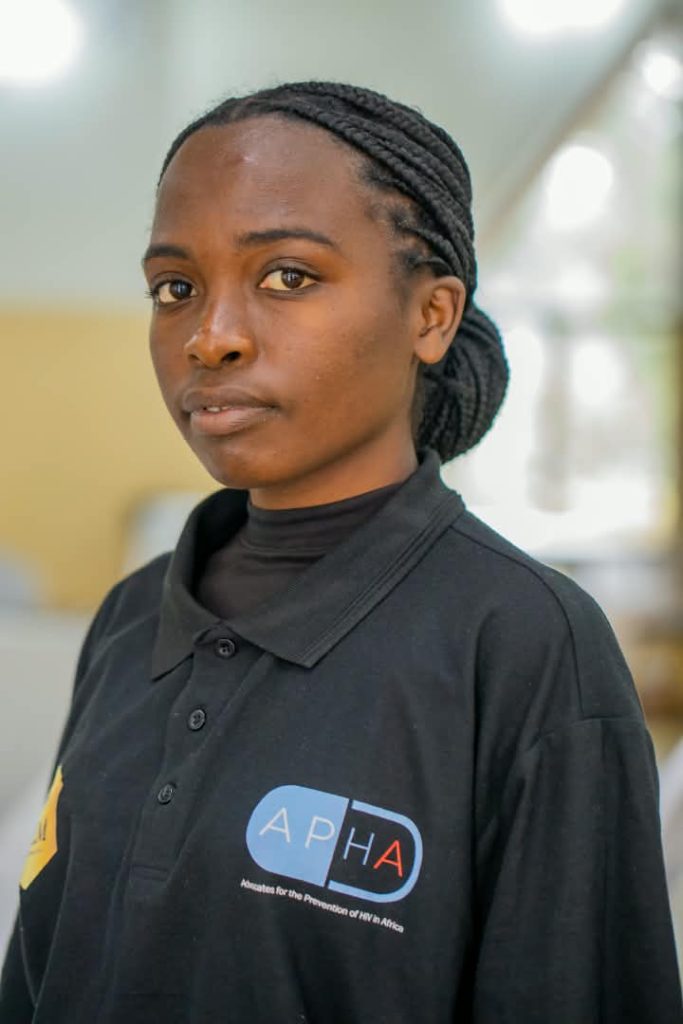
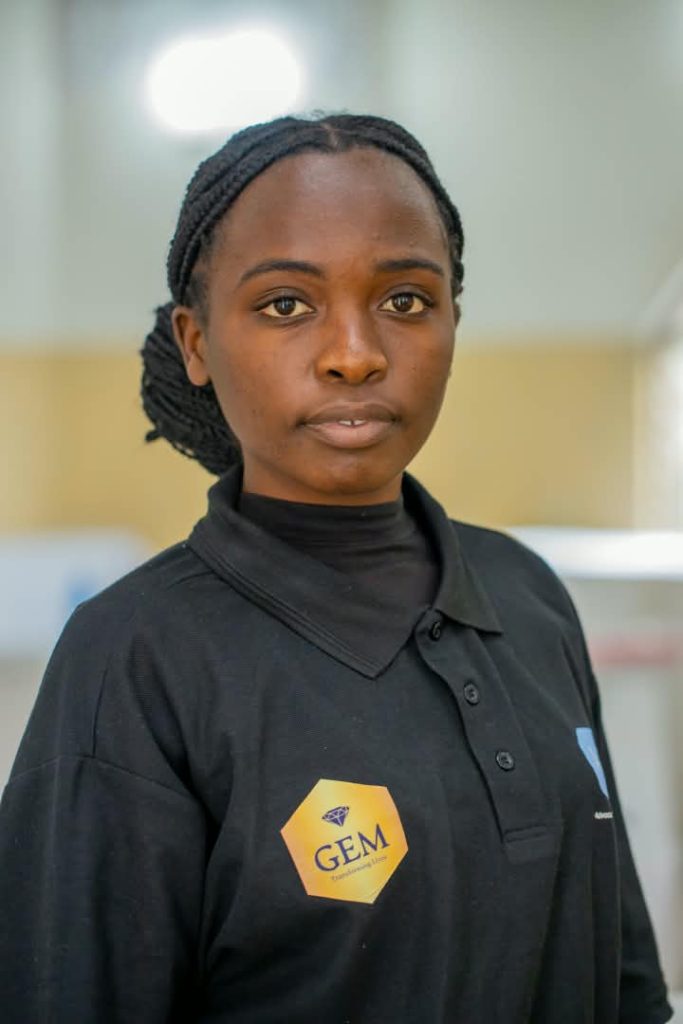

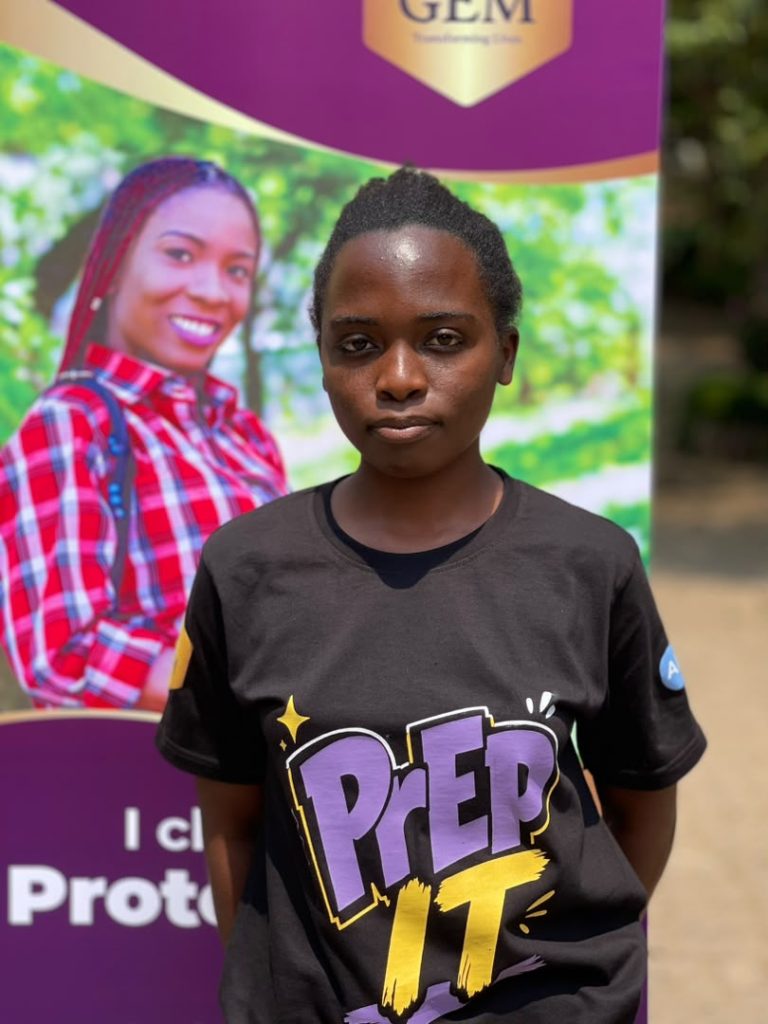
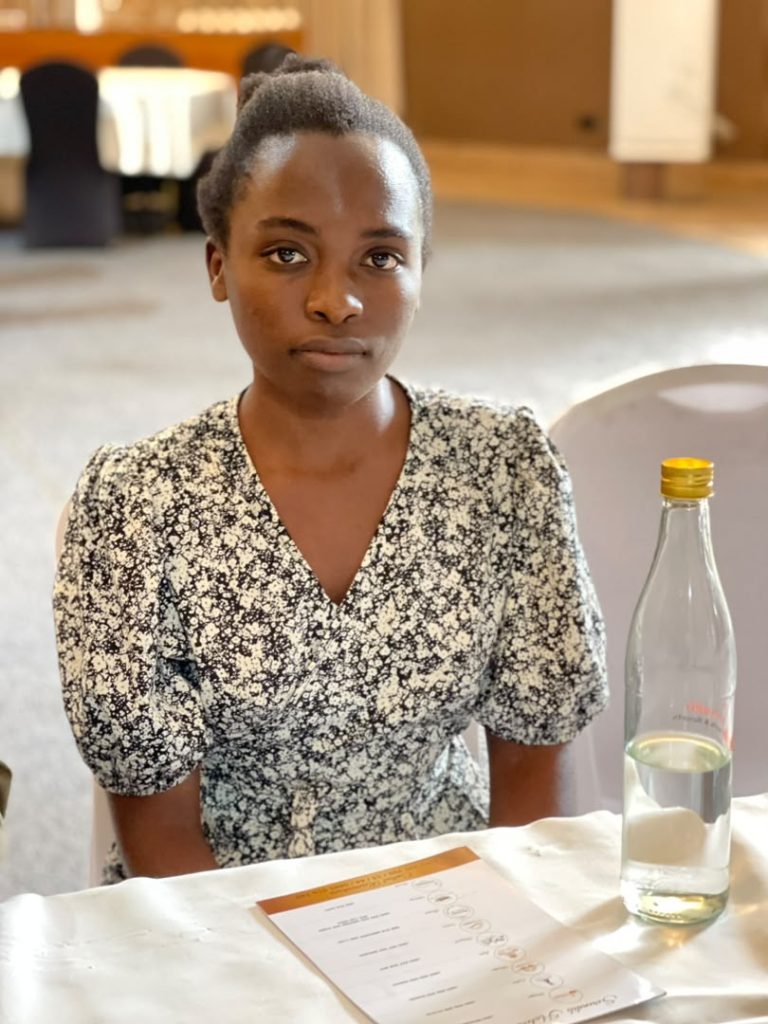
Ludess Bonongwe knew HIV could be prevented.
She knew about condoms, HIV testing and abstinence. She also knew that stigma and misinformation could make it harder for young people to seek HIV prevention services.
But there were things she still wanted to understand herself.
PrEP was one of them.
What options were available? How did long-acting injectable PrEP work? And what could having more prevention choices mean for young women?
Those questions were part of what brought Ludess to the AWPCAB HIV Prevention In Action Academy.
She wanted accurate information, but she also had a bigger reason for joining: she wanted to become a better HIV prevention advocate for women and girls.
Then one idea clicked: prevention is about choice
As Ludess learned about different HIV prevention options, including oral PrEP and long-acting injectable PrEP, or CAB-LA, one lesson stayed with her.
People are different. Their circumstances are different. And the prevention method that works for one person may not be the one that works for another.
Learning about CAB-LA particularly stood out.
For Ludess, hearing about a prevention option that does not require taking a pill every day helped make the idea of choice more tangible. It showed her why expanding the number of available options matters, particularly for people who may find daily medication difficult.
And it strengthened something she already wanted to do: make sure other young people knew those options existed too.
Taking what she learned into schools
Ludess did not keep that knowledge to herself.
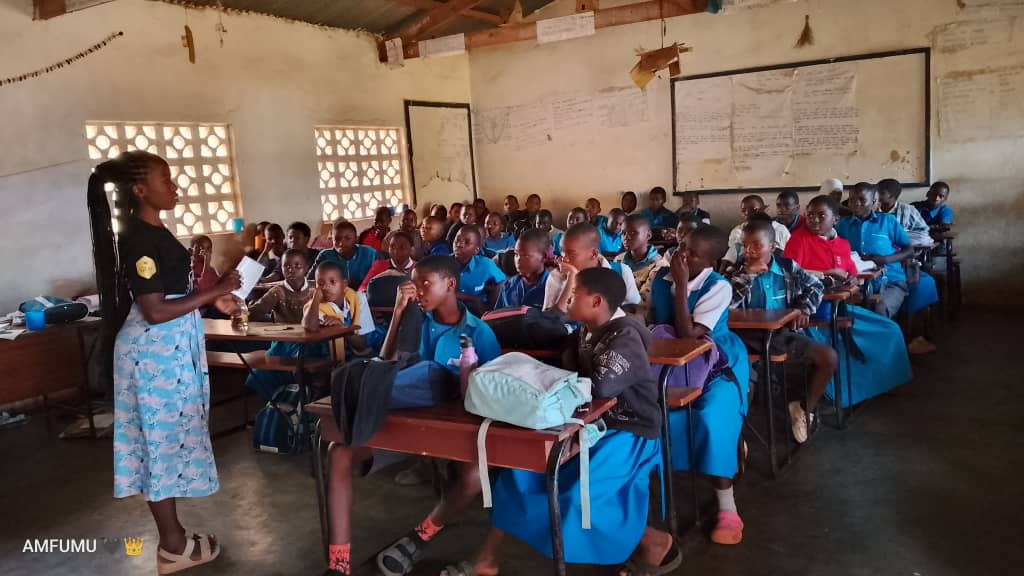
She began sharing what she had learned through community awareness activities, youth discussions and school-based HIV prevention education. During one session with secondary school learners, she facilitated a conversation about HIV prevention choices, PrEP, healthy relationships and gender-based violence.
The learners participated. They asked questions.
And Ludess got to occupy a position she once had not imagined for herself: standing in front of other young people, helping them understand their prevention options and creating room for them to ask about the things they did not know.
“I never imagined I would confidently facilitate HIV prevention discussions and inspire others in my community,” she says.
The Academy, she says, helped her discover that she could.
More than knowing the answers
For Ludess, becoming an advocate has not meant having every answer.
It has meant becoming confident enough to start conversations, challenge misinformation and point people towards accurate information and services.
She now speaks more confidently about HIV prevention, encourages HIV testing and promotes informed decision-making. She also sees her role as helping young women and girls understand that protecting their health does not have to begin with fear or shame.
It can begin with a question.
What are my options? What works for me? Where can I get accurate information? And where can I access it?
Those are questions Ludess once brought into the Academy herself.
Now, she is helping other young people ask them.
From questions to purpose
The experience has also changed what Ludess sees for herself.
She says the Academy strengthened her confidence, expanded her knowledge and deepened her interest in public health and HIV prevention advocacy.
She wants to continue working with women and girls, helping them understand their prevention choices and make informed decisions about their health.
“The AWPCAB Academy has been more than a training programme,” she says. “It has given me knowledge, confidence, mentorship, and a network of passionate young advocates.”
She came in with questions about HIV prevention. She leaves with more than answers.
She has the confidence to take those conversations to someone else.