Know Your Options

HIV prevention, in plain language

There is no single right way to prevent HIV. Understanding the full mix of options, what each one is, how it works and what it asks of you, is how you find the method that fits your life and your body.

The Method Mix

HIV prevention options, explained

Today, women and girls in Africa can choose from a growing range of safe, effective HIV prevention methods. Here is what each one is, and where to learn more.

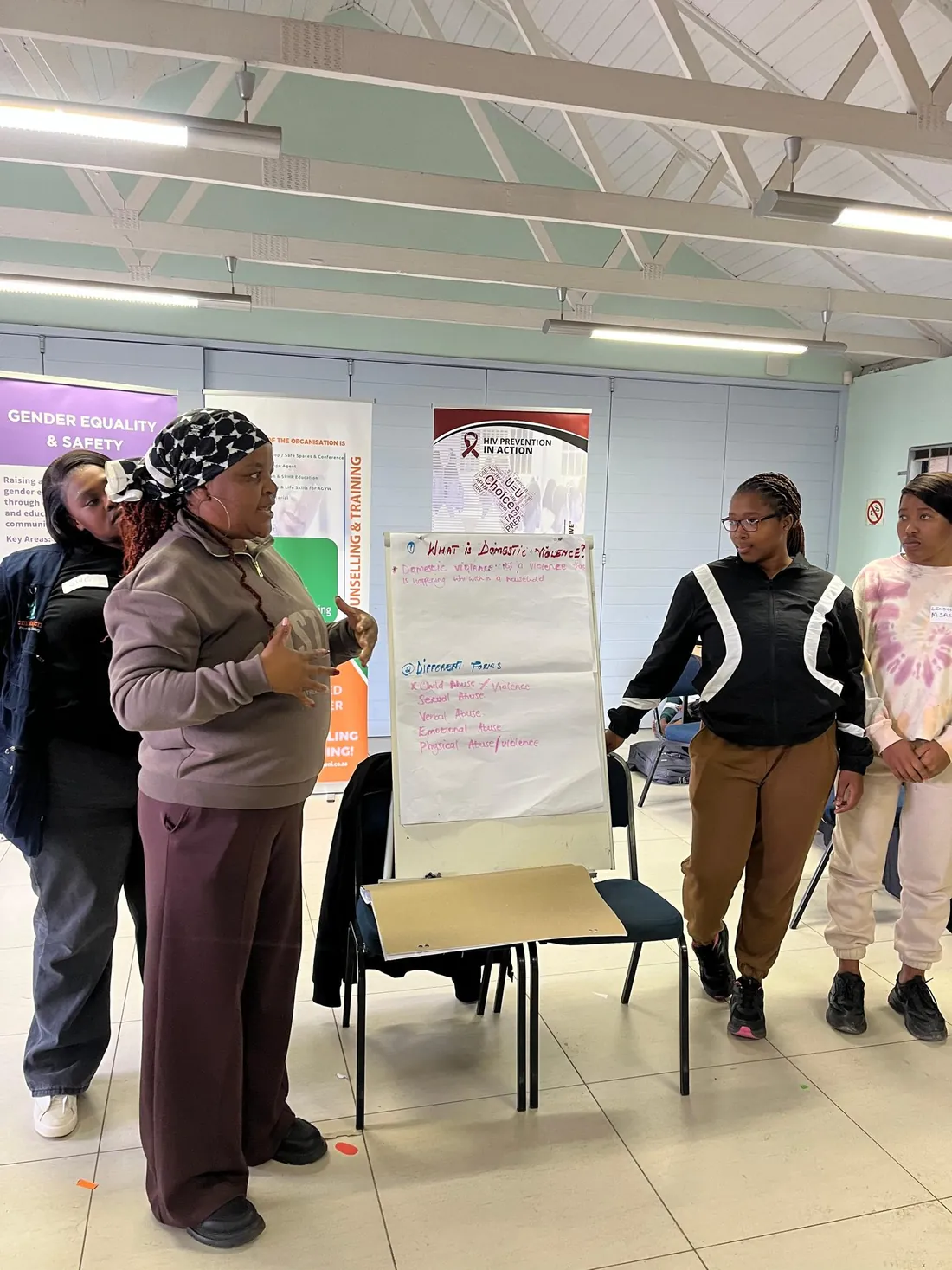
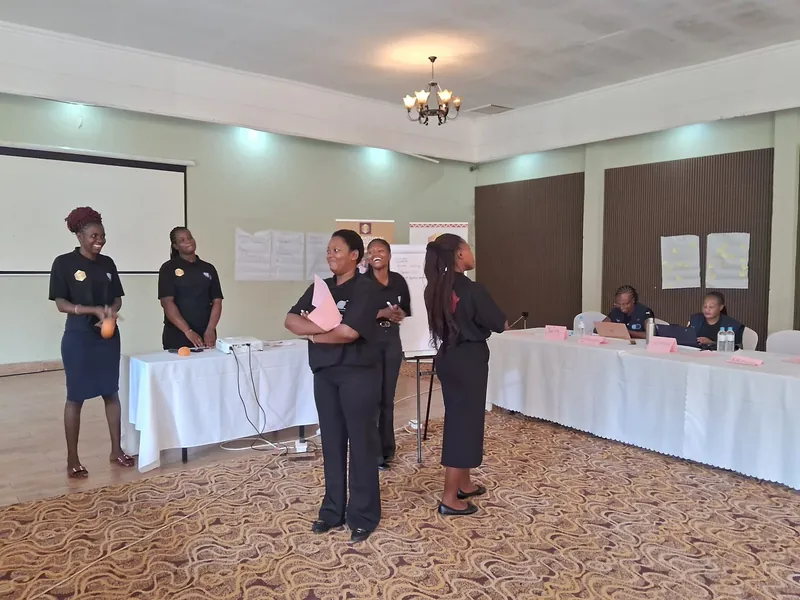
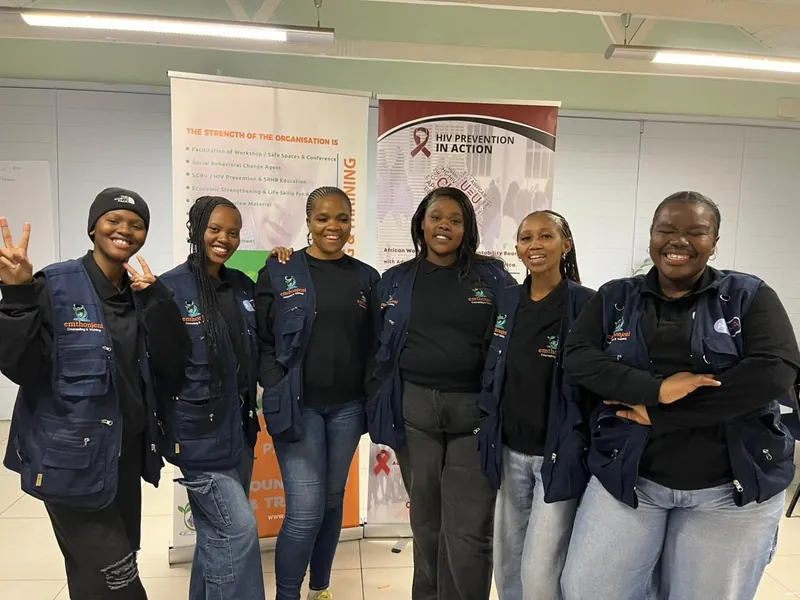
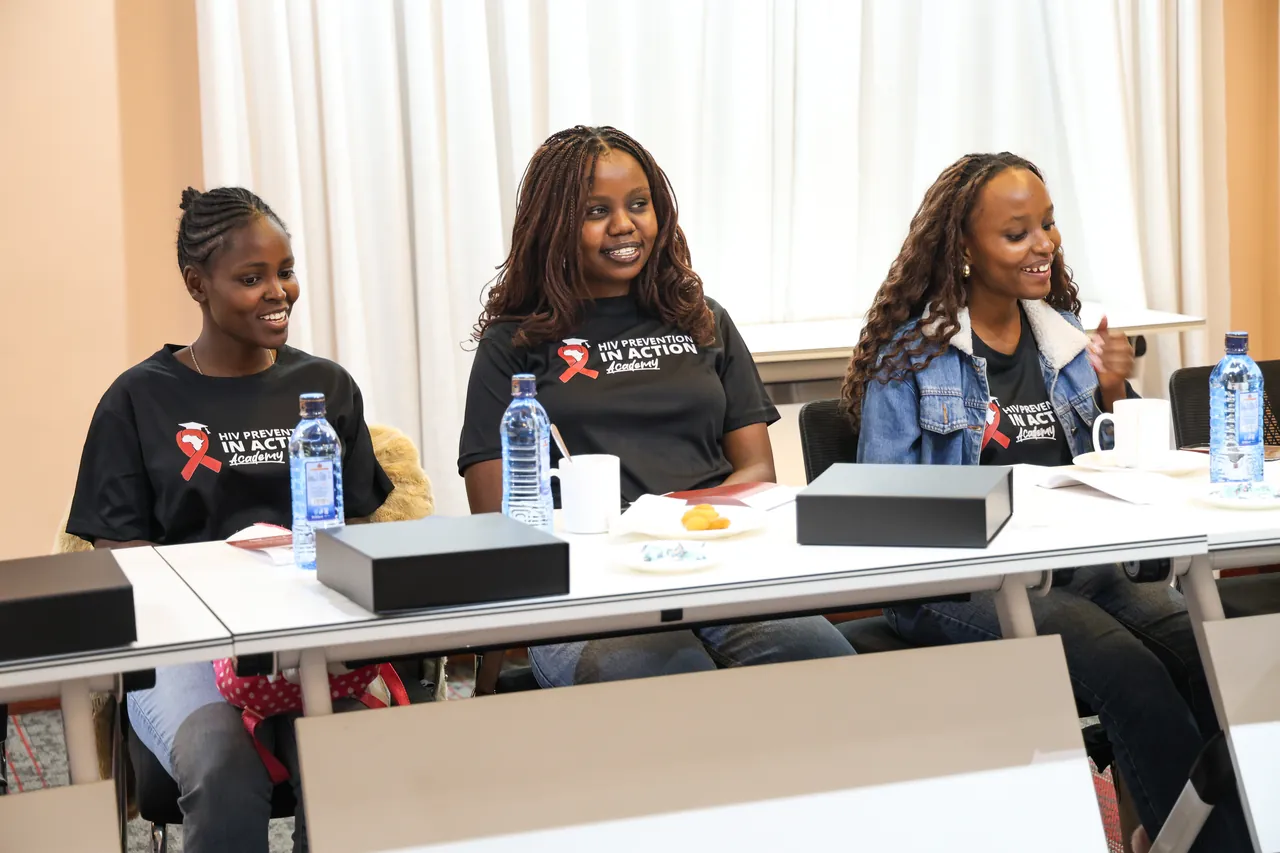
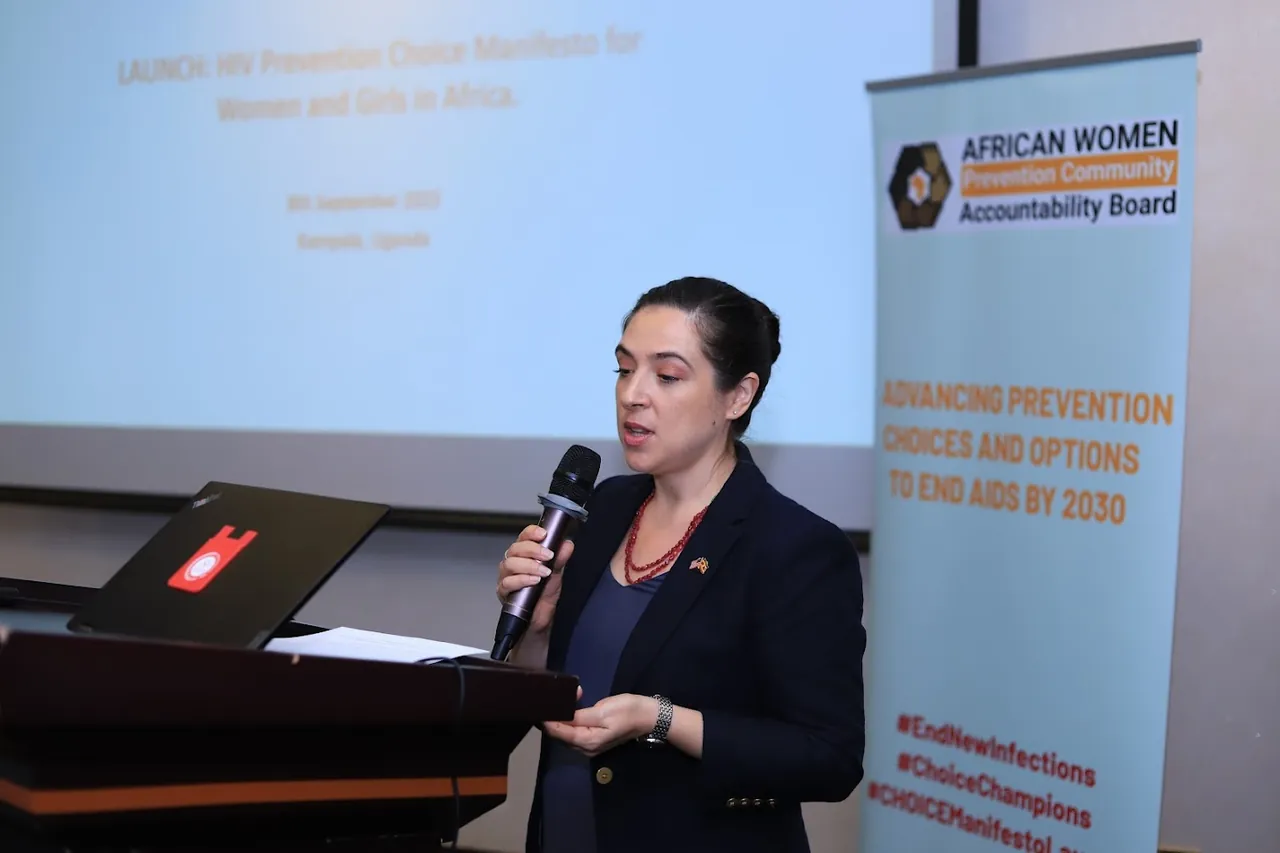
Champions celebrating at an HIV prevention workshop
Illustration of a daily oral PrEP pillDaily pill

Oral PrEP (Pre-Exposure Prophylaxis)

A daily pill that helps reduce the risk of acquiring HIV when taken as prescribed. Oral PrEP is one of several HIV prevention options available and can be an effective choice for people at ongoing risk of HIV.

Learn more

Illustration of a long-acting HIV prevention injectionEvery 2 months

Injectable PrEP (CAB-LA)

A long-acting injectable HIV prevention option administered by a healthcare provider every two months. It offers an alternative for people who prefer not to take a daily pill.

Learn more

Illustration of the monthly dapivirine vaginal ringMonthly ring

The Dapivirine Ring

A flexible vaginal ring that is inserted once a month to help reduce the risk of HIV. It provides women with an additional HIV prevention option that can fit different lifestyles and preferences.

Learn more

Illustration of a long-acting injectable HIV prevention medicineEvery 6 months

Lenacapavir

A long-acting HIV prevention option administered by a healthcare provider every six months. As countries begin introducing lenacapavir, it has the potential to expand HIV prevention choice by offering a longer-acting prevention option for women and girls.

Learn more

Illustration of a condom and its foil wrapperBarrier method

Condoms

Condoms remain an important HIV prevention option. When used correctly and consistently, they help reduce the risk of HIV and other sexually transmitted infections, while also preventing unintended pregnancy.

Learn more

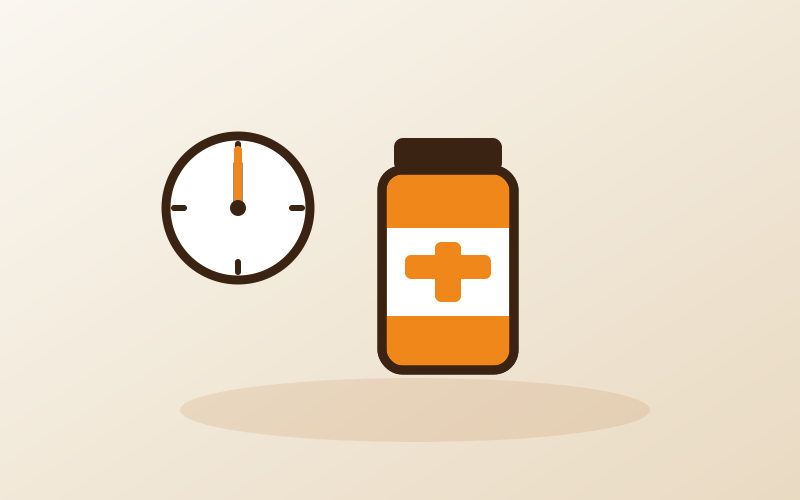
Illustration of emergency PEP medication and a clockEmergency

PEP (Post-Exposure Prophylaxis)

PEP is emergency medication that can help prevent HIV after a possible exposure. It must be started within 72 hours and taken for 28 days, making it important to seek care as soon as possible.

Learn more

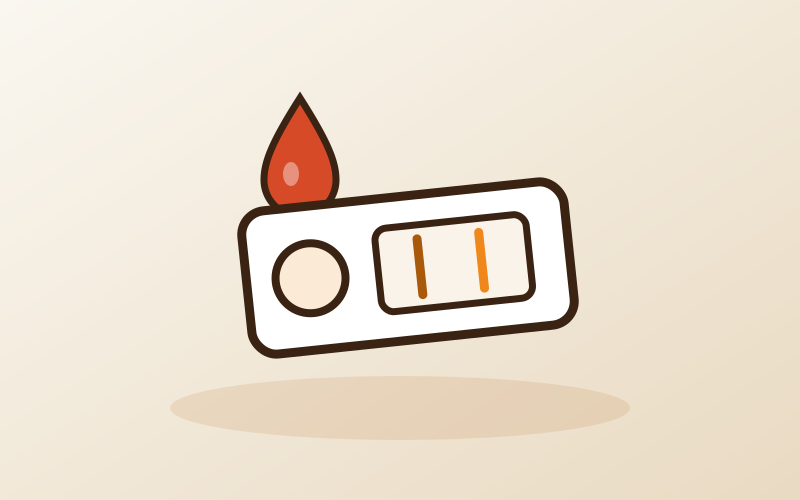
Illustration of a rapid HIV test kitKnow your status

Regular Testing

Knowing your status is the first step. Routine HIV testing, at a clinic or with a self-test kit, opens the door to prevention if you are negative and to treatment that keeps you well if you are positive.

Learn more

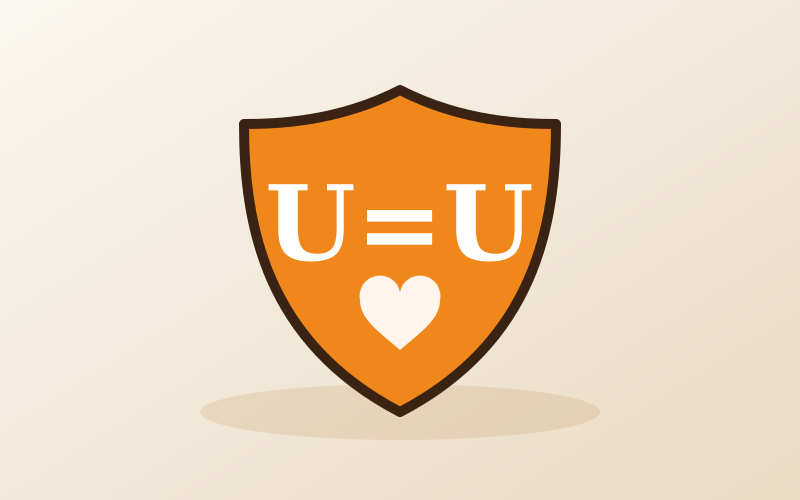
U equals U, undetectable equals untransmittableTreatment is prevention

U=U

Undetectable = Untransmittable. A person living with HIV who takes treatment as prescribed and reaches an undetectable viral load cannot pass HIV on to sexual partners. Treatment is prevention.

Learn more

Choice means…

Having options is only half the story

Choice is the ability for individuals to select from an array of options. But choice cannot exist on information alone, it requires policymakers, donors, governments and implementers to make the full mix of prevention options available, accessible and affordable to every woman and girl who needs it.

That is why AWPCAB advocates not just for awareness, but for the systems, funding and accountability that turn options on paper into real choices in clinics and communities.


A woman weighing her HIV prevention choices
Setting the Record Straight

Myths vs facts

Misinformation puts people at risk. Here are some of the most common myths about HIV, and what the evidence actually says.

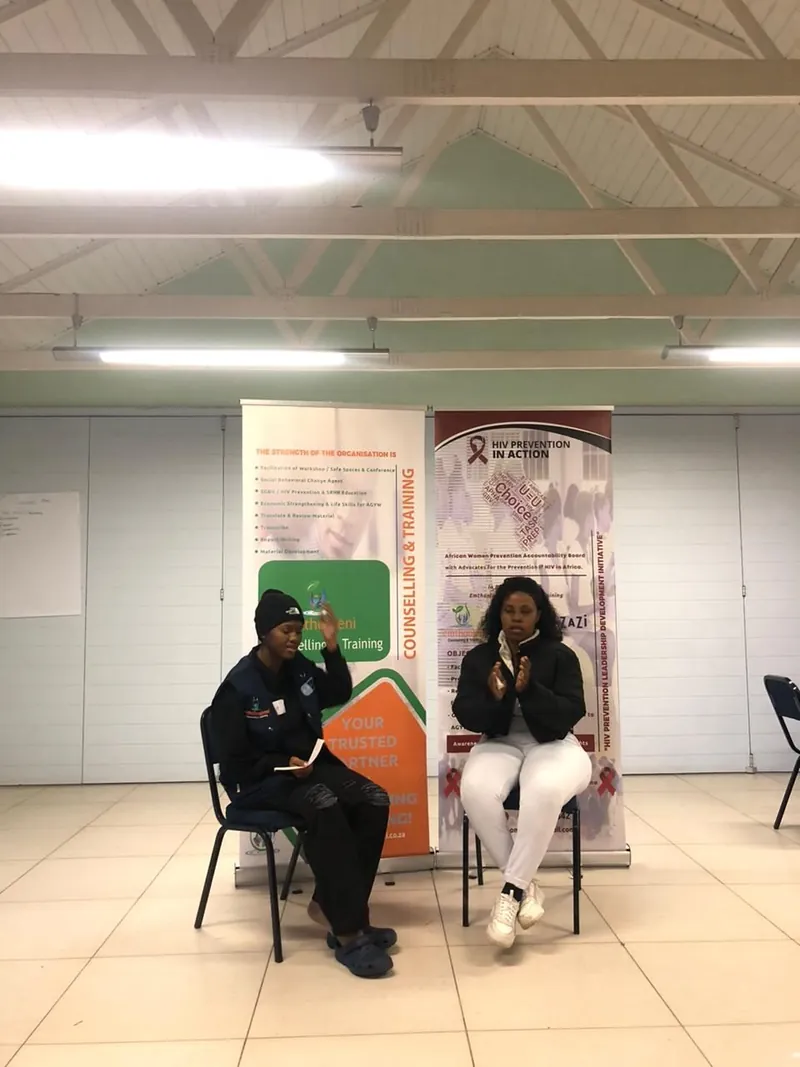
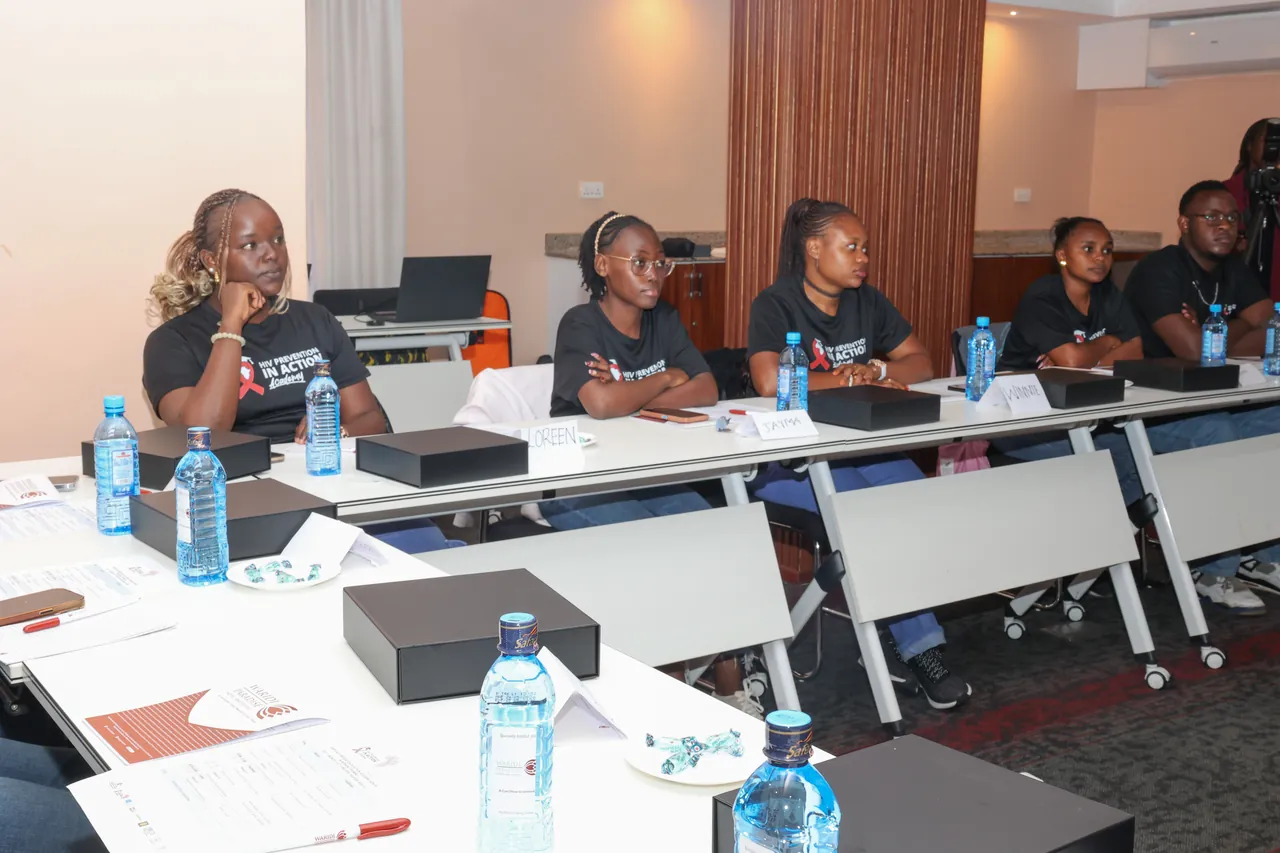
Champions challenging misinformation in their community A community conversation about the facts on HIV
Myth: HIV is a death sentence.

Fact: HIV is a manageable long-term condition. With effective antiretroviral treatment, people living with HIV can stay healthy, live full lives and have a normal life expectancy. Treatment also keeps the virus undetectable, which means it cannot be passed on to partners.

Myth: You can tell if someone has HIV by looking at them.

Fact: You cannot tell anyone's HIV status from their appearance. Many people living with HIV look and feel perfectly healthy, especially in the early years or while on treatment. Testing is the only way to know your status or anyone else's.

Myth: PrEP is only for certain "high-risk" groups.

Fact: PrEP is for anyone who is HIV-negative and wants an extra layer of protection, including women and girls who simply want to take control of their own health. You do not need to justify or label yourself to benefit from prevention.

Myth: If I use PrEP or condoms, I do not need to test.

Fact: Regular testing is still important. PrEP only works while you are HIV-negative, and starting PrEP safely requires confirming your status first. Testing protects you and helps you stay on the right prevention or treatment path.

Myth: HIV can spread through hugging, sharing food or mosquito bites.

Fact: HIV is not transmitted through everyday contact, hugging, shaking hands, sharing food or utensils, toilet seats, or insect bites. It is passed through specific routes such as unprotected sex, sharing injecting equipment, and from mother to child during pregnancy, birth or breastfeeding (which can be prevented).

Myth: A pregnant woman with HIV will always pass it to her baby.

Fact: With the right treatment and care during pregnancy, birth and breastfeeding (known as PMTCT), the chance of passing HIV to a baby can be reduced to very low levels. Most babies born to mothers on treatment are HIV-negative.

Plain-Language Glossary

Words you'll hear, defined

HIV prevention comes with a lot of acronyms. Search the glossary below to make sense of the terms.

Women learning the language of prevention together A peer education session Advocates sharing knowledge in the community A community information session
PrEP
Pre-exposure prophylaxis. Medicine taken by HIV-negative people before possible exposure to prevent HIV, available as a daily oral pill or a long-acting injection.
PEP
Post-exposure prophylaxis. Emergency medicine taken after a possible exposure to HIV. It must start within 72 hours and is taken for 28 days.
CAB-LA
Long-acting cabotegravir, an injectable form of PrEP given once every two months to prevent HIV.
Dapivirine ring
A flexible silicone vaginal ring, replaced monthly, that slowly releases the antiretroviral drug dapivirine to reduce the risk of HIV.
U=U
Undetectable = Untransmittable. A person living with HIV with an undetectable viral load cannot transmit HIV to sexual partners.
Viral load
The amount of HIV in a person's blood. Effective treatment lowers viral load, ideally to undetectable levels.
Antiretroviral (ARV)
A class of medicines that act against HIV by stopping the virus from making copies of itself, used in both treatment and prevention.
Window period
The time between HIV infection and when a test can reliably detect it. Testing too early may miss a recent infection.
Seroconversion
The period when the body develops detectable HIV antibodies after infection, sometimes accompanied by flu-like symptoms.
AGYW
Adolescent Girls and Young Women, a group that carries a disproportionate share of new HIV infections in sub-Saharan Africa and is central to AWPCAB's work.
PMTCT
Prevention of Mother-To-Child Transmission. Treatment and care that prevent HIV being passed from mother to baby during pregnancy, birth or breastfeeding.
Serodiscordant
Describes a couple in which one partner is living with HIV and the other is HIV-negative. Prevention options like PrEP and U=U are especially relevant here.
Pre-exposure
Refers to prevention taken before any potential exposure to HIV, the basis of PrEP.
Biomedical prevention
HIV prevention methods that use medicines or medical products, such as PrEP, the dapivirine ring and CAB-LA, alongside behavioural and structural approaches.
AfroCAB
The African Community Advisory Board, a network of treatment and prevention advocates working to accelerate access to new HIV products across Africa.
Turn Knowledge Into Choice

Explore the tools, then make it count

Use our practical tools to find a prevention option that fits, and add your voice to the call for choice for every woman and girl in Africa.

Open the tools Sign the Manifesto

Sign the Manifesto The Academy
Get Involved

Stand with women & girls

Tell us how you'd like to work with AWPCAB, it only takes a minute.