 Options
Options
Effective biomedical methods of HIV prevention. Sustaining and growing the method mix requires continued research and development of additional options, so that women have more than one way to protect themselves.
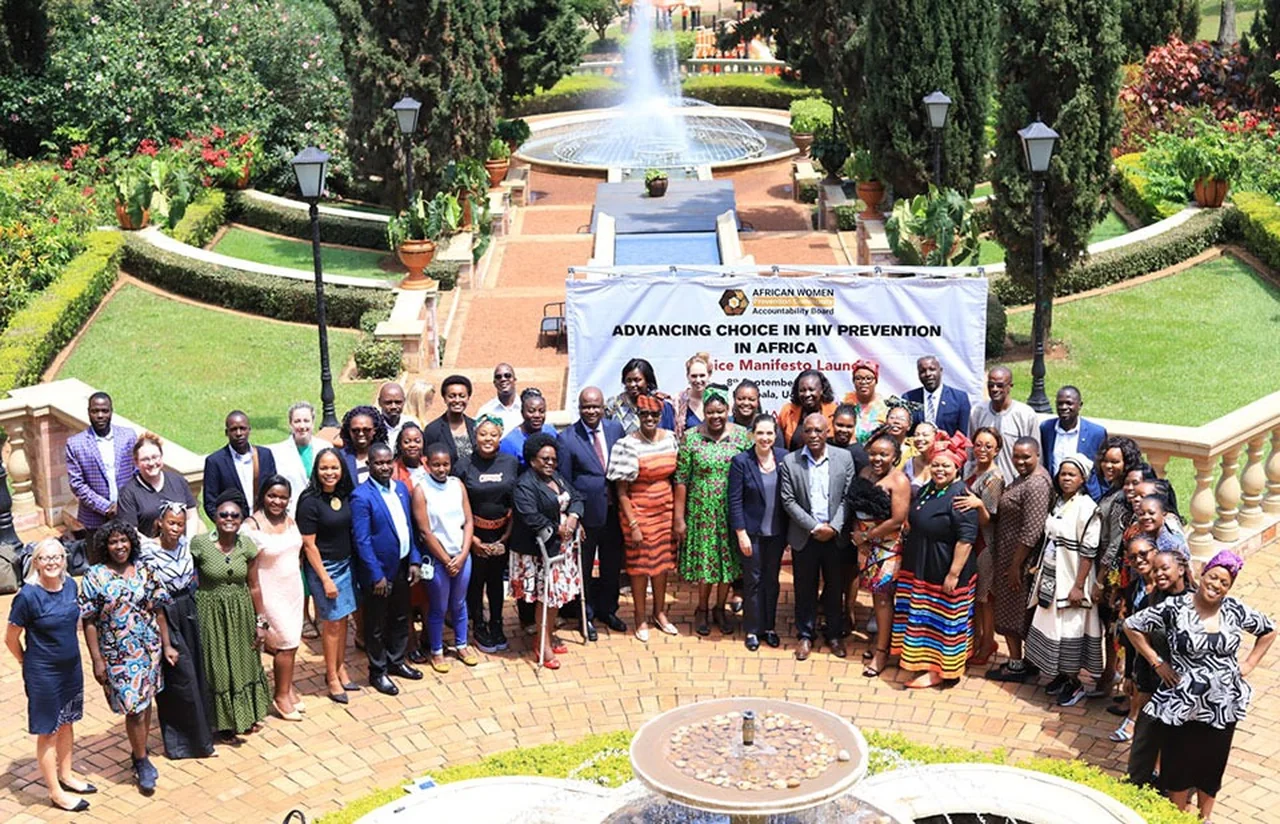
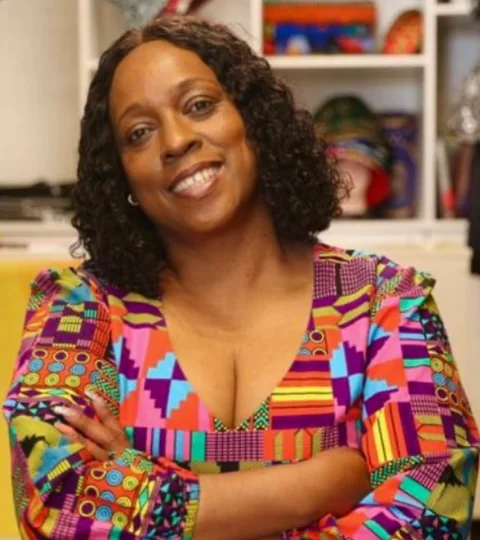
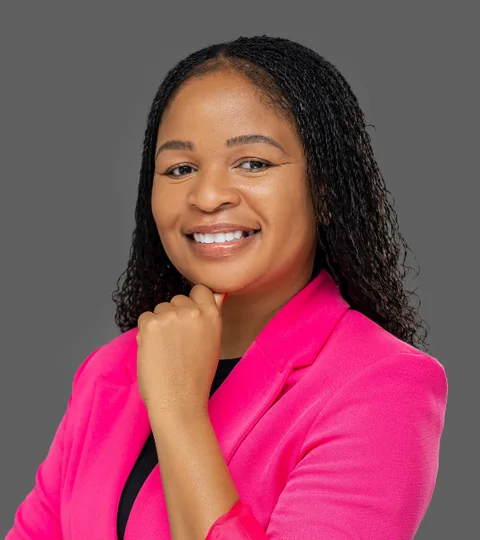
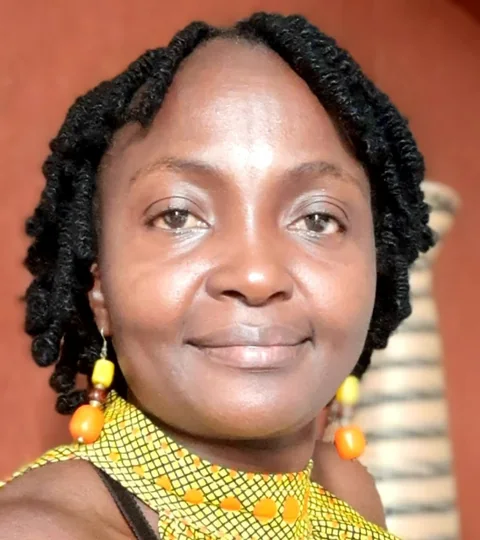
A collection of voices of African women and girls in all their diversity, feminists and HIV prevention advocates across Southern and Eastern Africa, united in calling for continued political and financial support for HIV prevention choice.
Join African women and girls and their allies in calling for continued political and financial support for HIV prevention choice.
Biomedical HIV prevention is at a historic turning point, but only if countries and funders heed evidence-based demands that programmes must emphasise choice, not individual products, and that research and development of new prevention options continues.
The HIV Prevention Choice Manifesto was launched on 8 September 2023 in Kampala, Uganda, endorsed by UNAIDS Executive Director Winnie Byanyima and developed alongside regional women's groups across Southern and Eastern Africa. Its Call to Action sets out 11 demands to women and girls in all their diversity.
It is more than a document. It is a standard the movement holds itself and its partners to, a refusal of a future where decisions about women's bodies and lives are made without them.
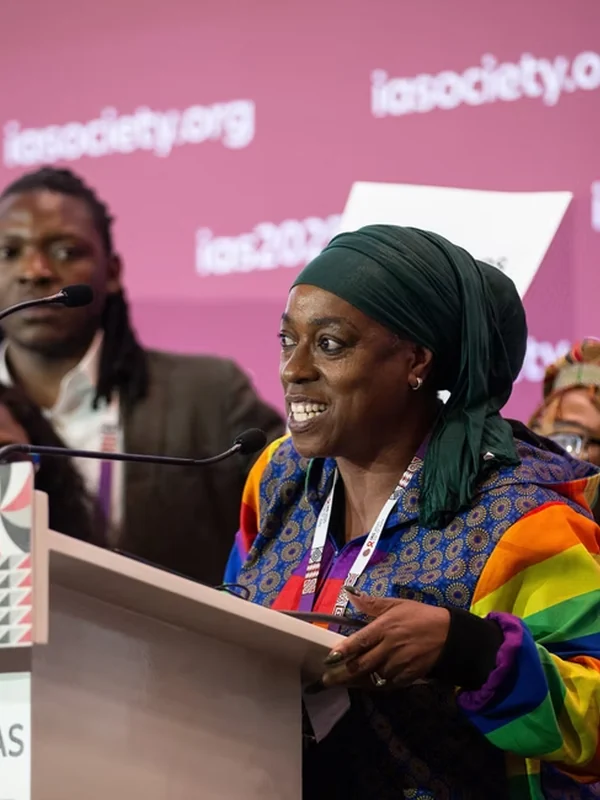
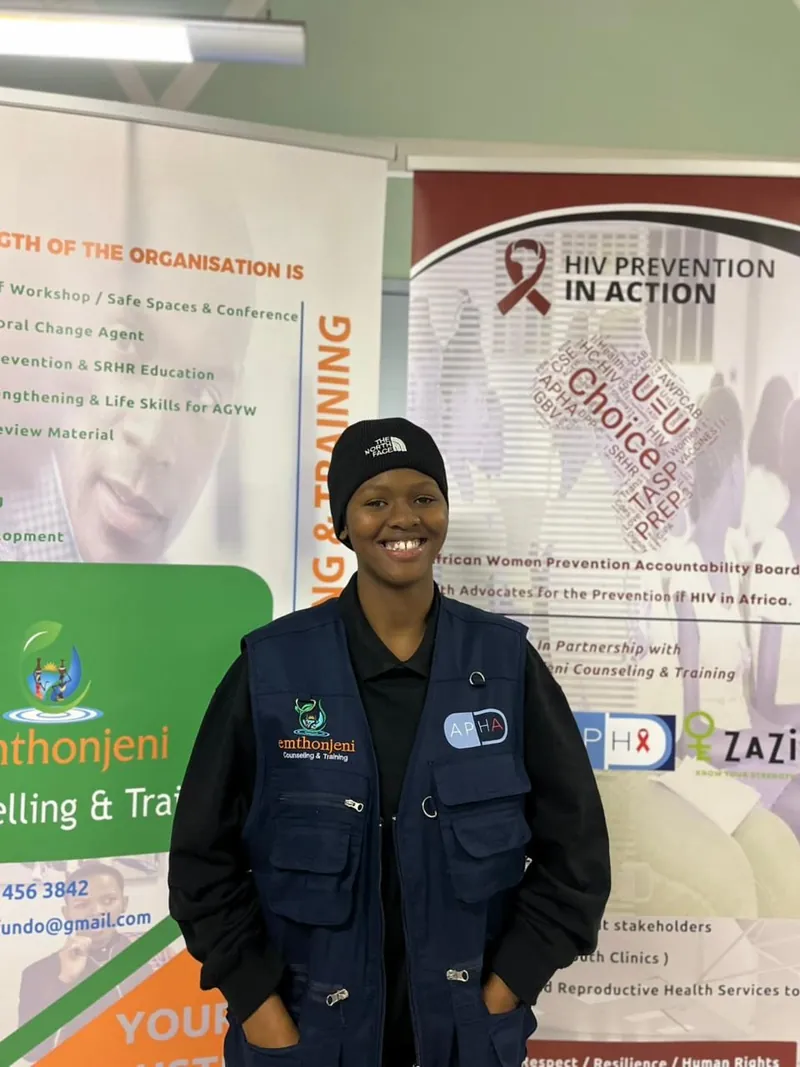
Eleven demands, grouped under five headings, Choice Is Key, Centring People & Communities, Sustainable Financing, Programs That Deliver and The Future, set the standard the movement holds itself and its partners to.
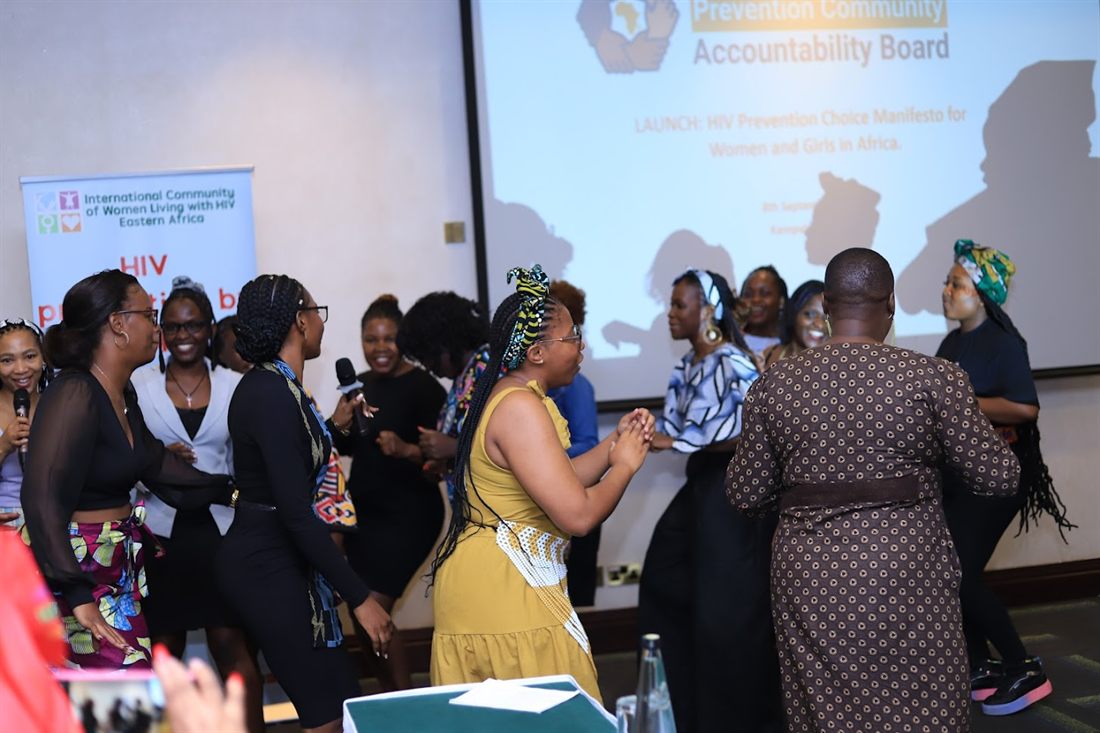
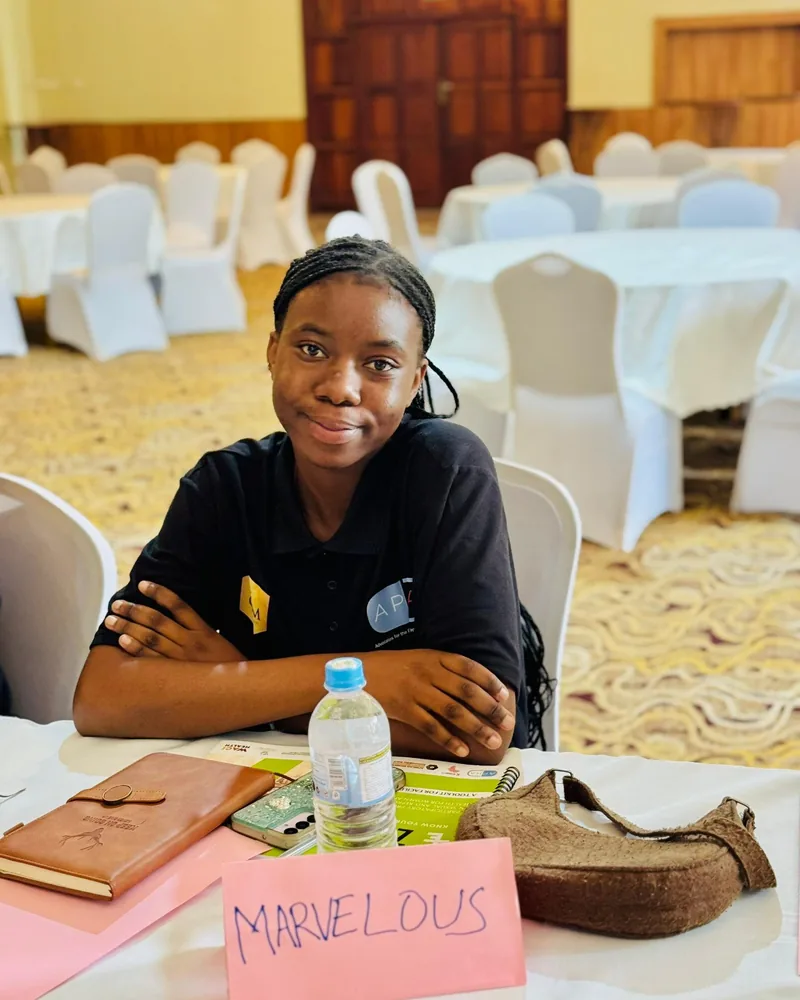
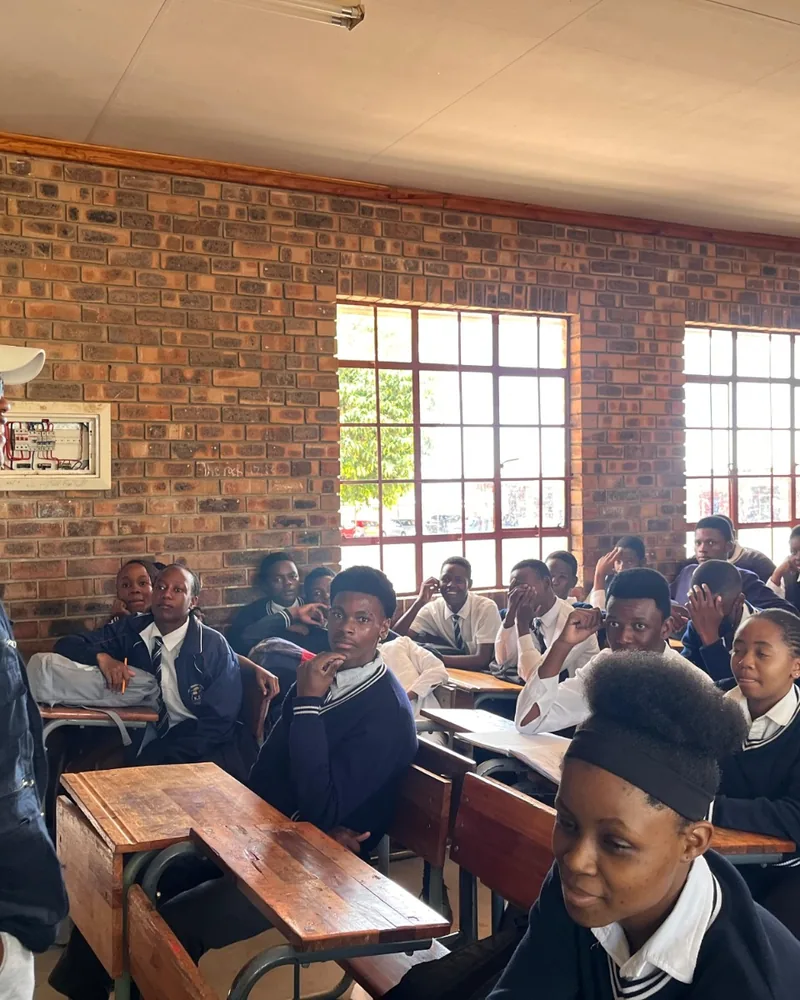
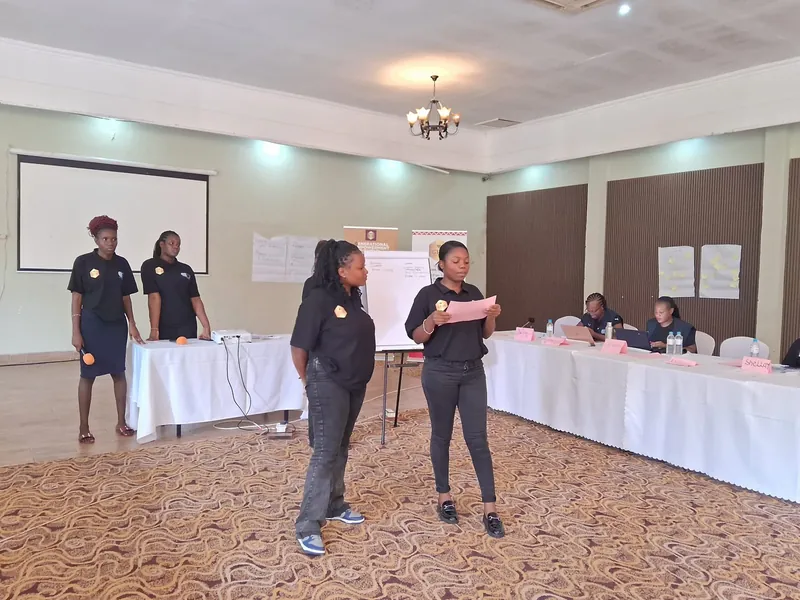
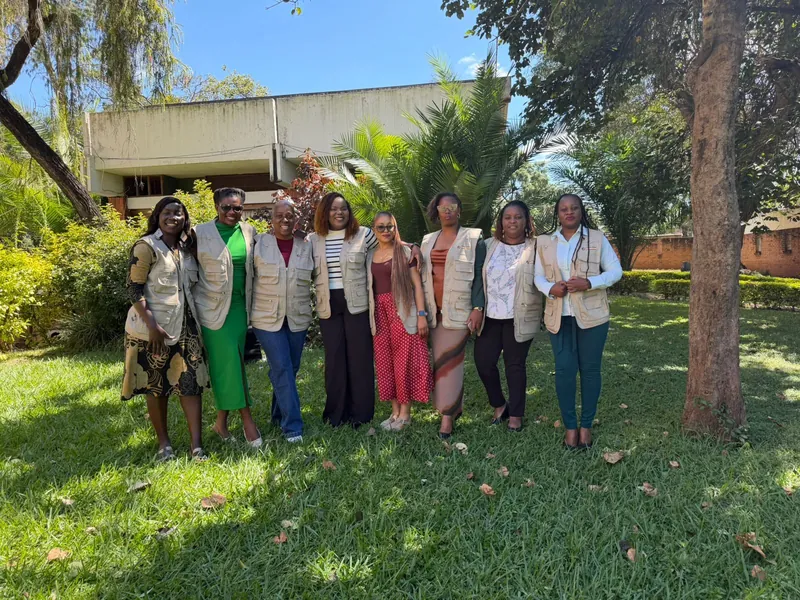
Young women and advocates from Malawi, Uganda, Kenya, Tanzania, Zambia, South Africa and Zimbabwe helped shape and carry the manifesto.
Launched on 8 September 2023 in Kampala, Uganda, alongside regional women's groups across Southern and Eastern Africa.
Endorsed by UNAIDS Executive Director Winnie Byanyima, a public commitment to women's choice agenda.
Two ideas sit at the heart of the manifesto. Together, they make prevention real.
OptionsEffective biomedical methods of HIV prevention. Sustaining and growing the method mix requires continued research and development of additional options, so that women have more than one way to protect themselves.
 Choice
The ability for individuals to select from an array of options. Choice requires policymakers, donors, governments and implementers to make the mix available, accessible and affordable, so that having options on paper becomes real choice in people's lives.
The manifesto's eleven demands come together under five headings, the pillars of a prevention response built around women and girls.
 01
01Put the full range of safe, effective HIV prevention options in the hands of women and girls, scaled up and choice-centred, with no single method pushed as "preferred," so each woman controls what works for her body at every stage of life.
 02
02Prioritise key and marginalised women, adolescents, young women, and pregnant and breastfeeding women, confront stigma and discrimination, and let communities lead research, development and delivery in line with Good Participatory Practice.
 03
03Finance choice for the long term, funding both the research and development of new prevention options and the community engagement that makes choice-based programming real.
 04
04Integrate HIV prevention into the services women already use, contraception, cervical cancer, STIs, antenatal and postnatal care, mental health, and dismantle the structural barriers that block access for adolescent girls and young women.
 05
05Keep growing the method mix, investing in new systemic and non-systemic options, including Multipurpose Prevention Technologies against HIV, STIs and unintended pregnancy, and let personal choice, not assumptions about adherence, decide what women are offered.
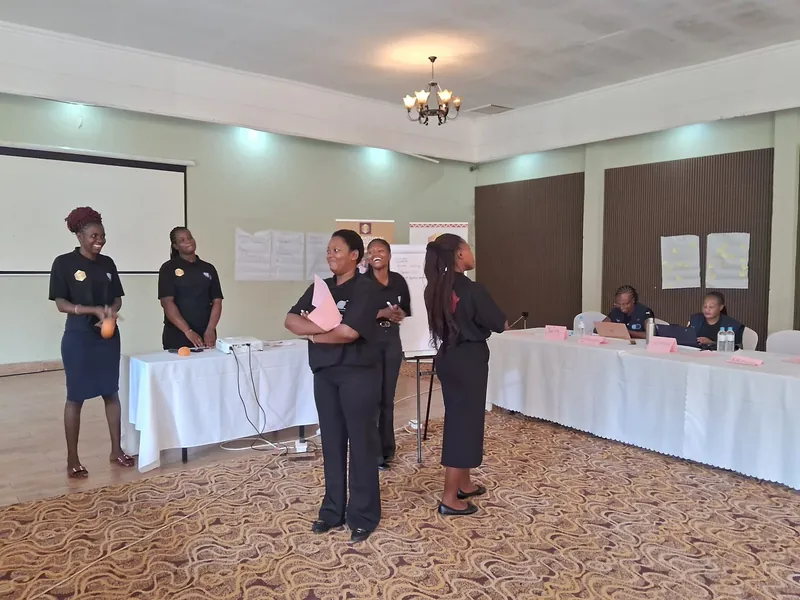
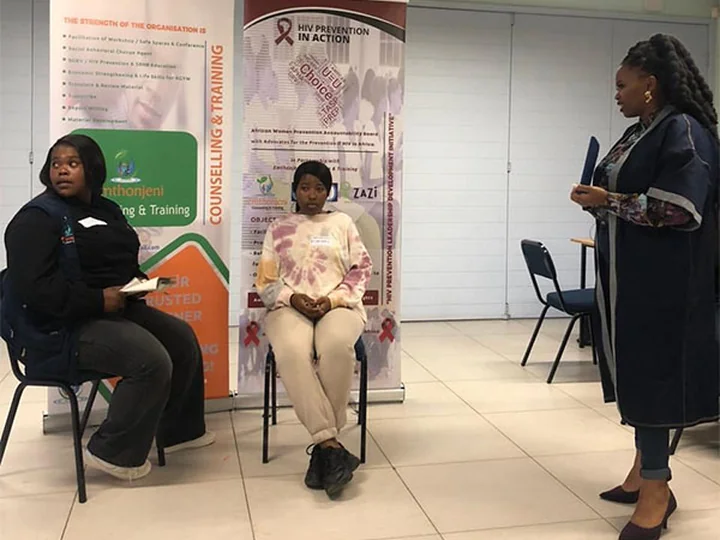
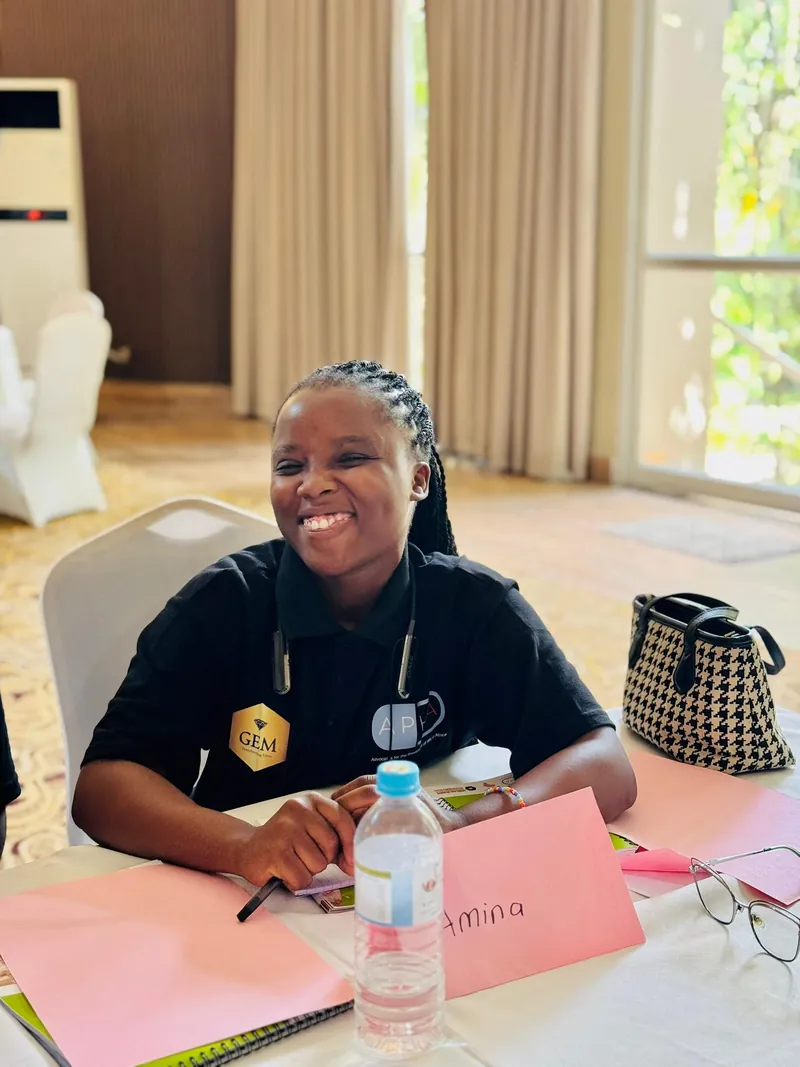
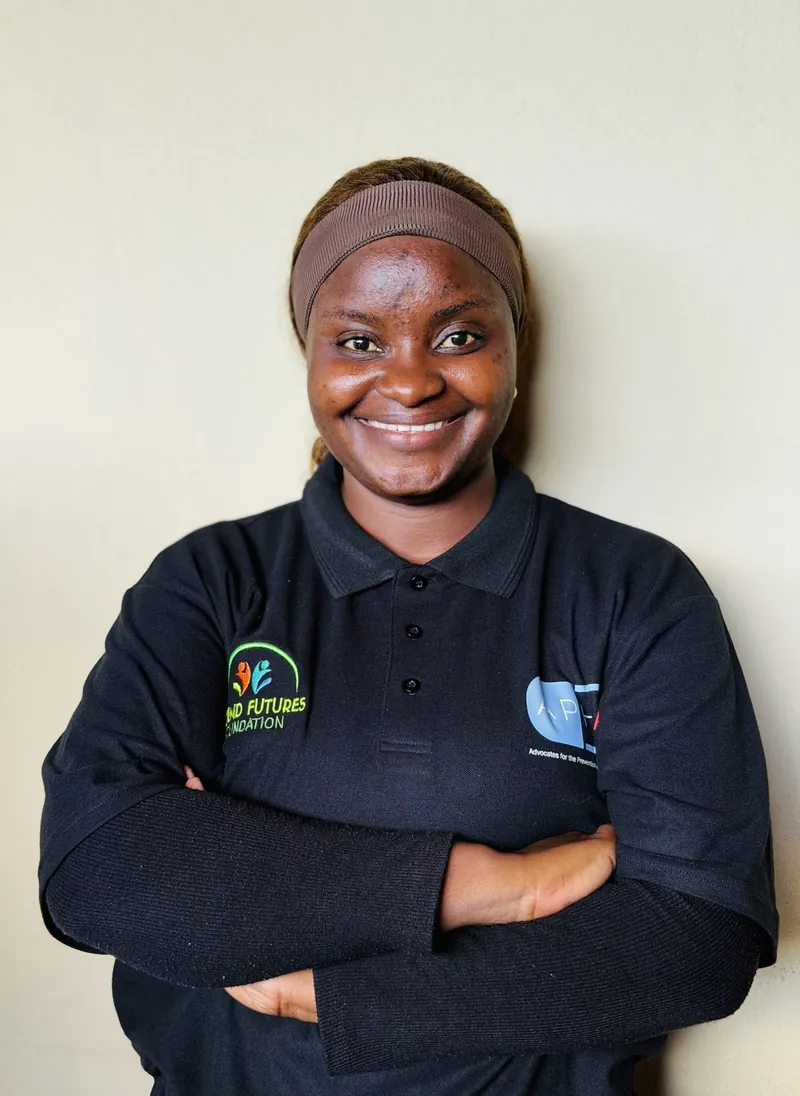
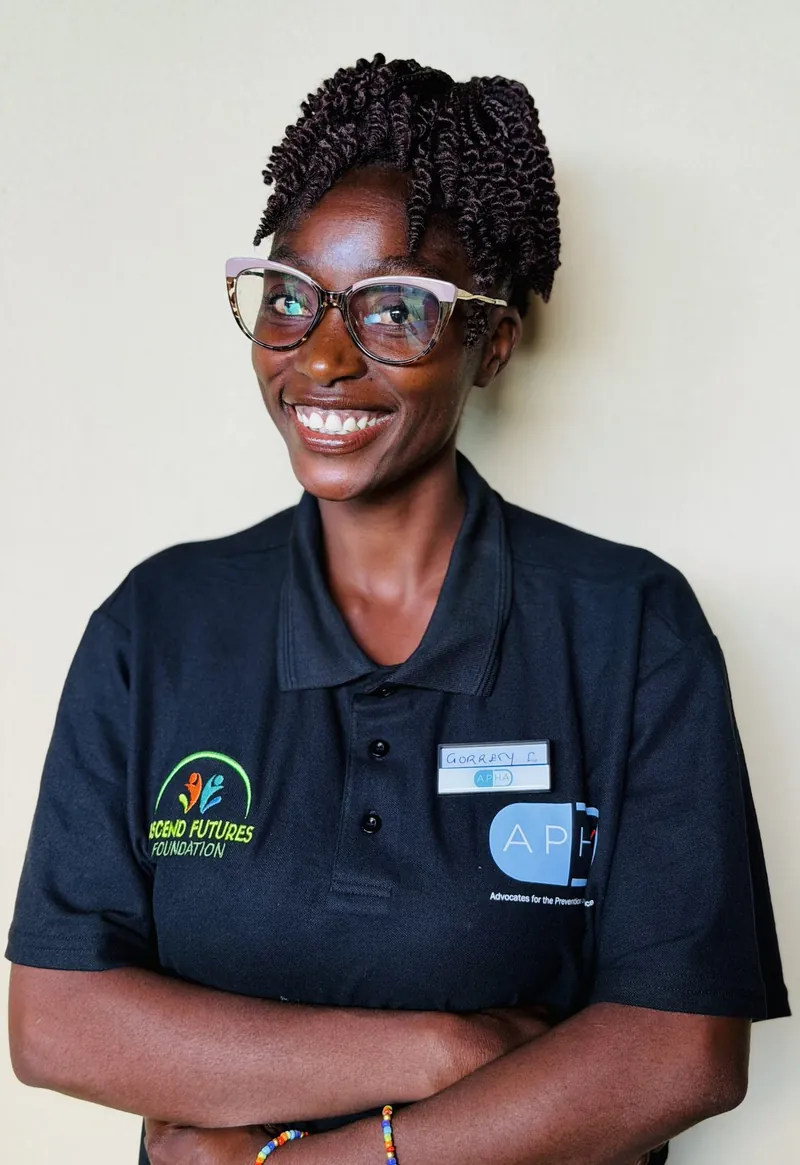
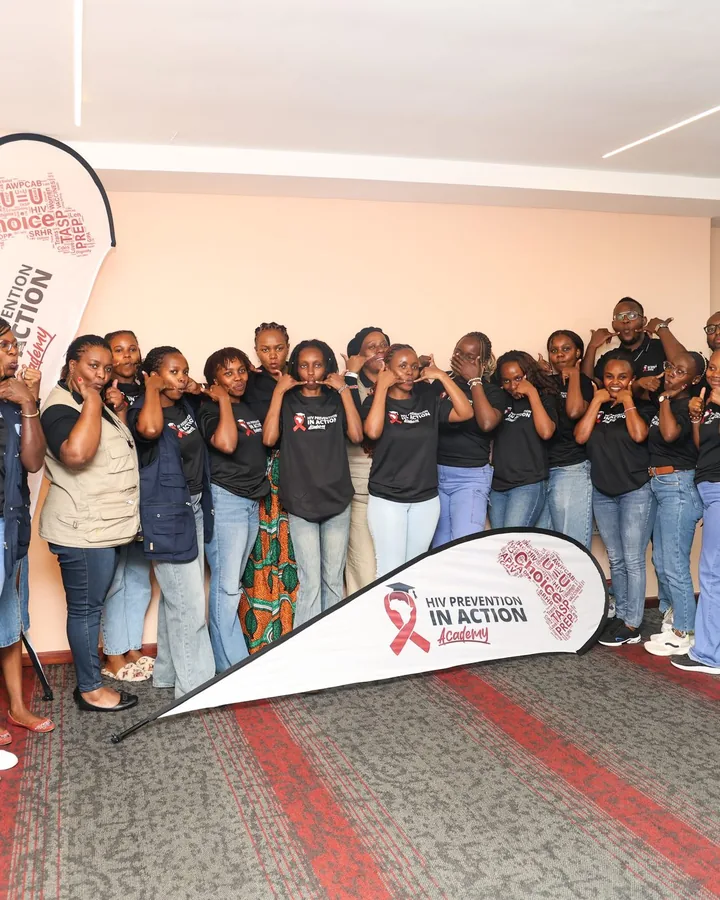
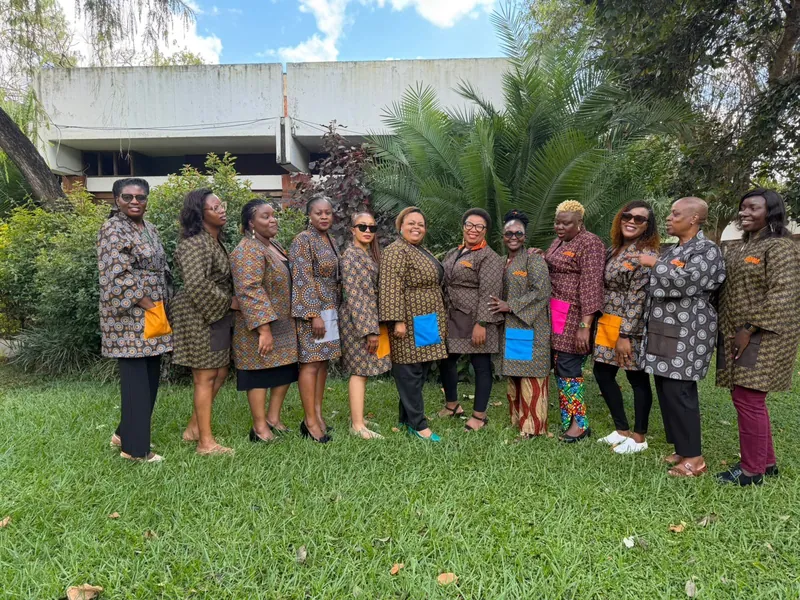
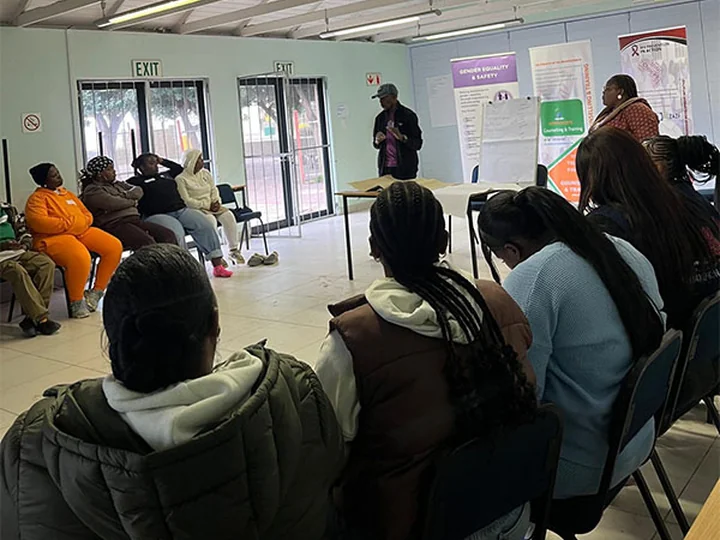
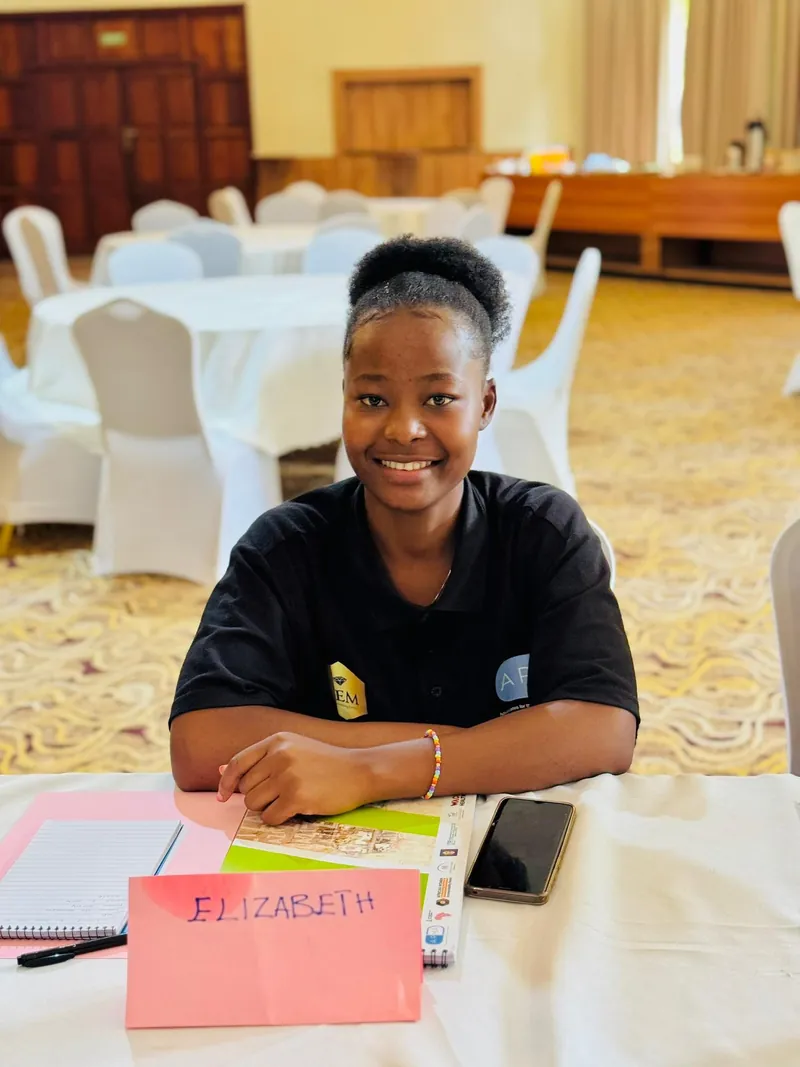
Every signature is a commitment carried into clinics, policy spaces and communities. Advocates, feminists and leaders across the region have already signed, and the manifesto only grows stronger with each voice that joins.
 8
8